Build Buyer Trust: Candlenut Sample Kits, COA & Farm Visit Tips
In the global spice trade, trust is the currency that closes deals. For international buyers of candlenut—especially those sourcing from Indonesia for the first time—the distance between your warehouse and a remote highland in West Java can feel like a leap of faith. You’re not just buying a commodity; you’re investing in a supply partnership where quality, consistency, and transparency are non-negotiable. At TasikSpice, we’ve spent years refining how we bridge that gap. Drawing from the fertile volcanic slopes of Tasikmalaya, we don’t just ship candlenut (locally known as kemiri putih). We ship confidence. This article reveals our three-pillar approach to building buyer trust: meticulously prepared sample kits, transparent Certificates of Analysis, and open-arms farm visit invitations—all tailored for the discerning importer looking for a reliable kemiri supplier who prioritizes quality above volume.
Sample Kits That Speak of Quality Before a Contract Is Signed
A sample kit is often the very first physical touchpoint between a buyer and a potential candlenut Indonesia origin. It must impress instantly. At TasikSpice, we treat every sample shipment as a microcosm of our full-scale export process. Our sample kits for Aleurites moluccanus are curated to answer the unspoken question every buyer has: "Will your bulk cargo match this?" Absolutely.
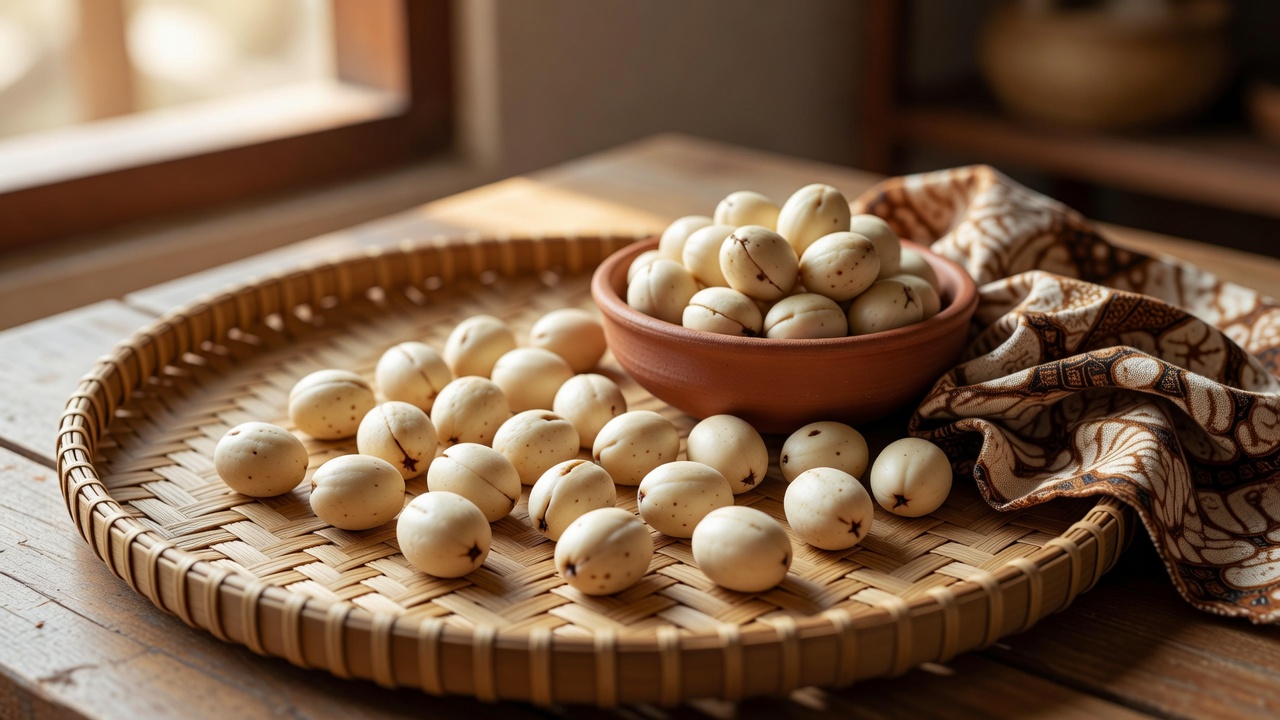
Each kit contains 500 grams to 1 kilogram of premium-grade candlenut kernels, hand-selected from the current 2026 harvest season. The kernels are whole, uniform in size, and display the creamy white interior that signals freshness and high oil content—a key quality marker. But the sample goes beyond the product. We enclose a detailed cover letter specifying the exact grade (e.g., AA grade, moisture max 5%, purity 99.5%), the harvest date, and the plot location within our partner farmers’ fields in Tasikmalaya. This isn’t a randomly scooped bag; it’s a documented snapshot of traceability.
For buyers evaluating a new kemiri putih source, we recommend inspecting three things immediately upon opening a sample: the aromatic, slightly nutty scent (indicative of proper sun-drying), the absence of black or shriveled kernels, and the kernel integrity—no cracks that could lead to rapid rancidity. A professional sample kit should also include robust packaging. We use vacuum-sealed, food-grade foil pouches inside a sturdy corrugated box, ensuring the kernels arrive at your doorstep exactly as they left our drying floors. This care signals that we understand international logistics and respect your evaluation process. It’s a small investment that sets a serious kemiri export operation apart from casual traders.
Ready to assess the quality yourself? Reach out to us via WhatsApp at +62 812-9869-9940 and request your complimentary sample kit for the 2026 season.
Certificates of Analysis: The Science That Backs Our Promise
While a sample appeals to the senses, a Certificate of Analysis (COA) addresses the rational mind—the stringent requirements of food manufacturers, re-packers, and regulatory bodies. In the candlenut trade, a vague promise of "good quality" isn’t enough. Buyers need documented proof of safety and specification compliance. That’s why TasikSpice voluntarily commissions COAs from ISO-accredited laboratories for every export lot, and we share these documents proactively, not defensively.
A robust COA for Aleurites moluccanus should detail moisture content, oil content, foreign matter, and critical safety parameters. Our typical sheet shows moisture below 5%, which prevents mold growth and preserves the kernels’ dense texture. Oil content generally ranges between 55% and 65%—a vital figure for buyers in the culinary and cosmetic sectors who press for high-quality oil. We also test aflatoxin levels rigorously, always reporting "not detected" or far below the EU’s strict 4 ppb limit. Pesticide residue screening is part of our standard panel, confirming our commitment to sustainable, low-input farming in the Tasikmalaya highlands.
But the true trust-builder is how we present the COA. Each document correlates to a specific lot number, which ties back to the farmer group and processing date. When you request a COA, you get the unedited version—not a sanitized marketing sheet. We invite buyers to cross-check the issuing laboratory’s credentials. This transparency turns a transactional requirement into a relationship cornerstone. For importers, comparing our COA to those from other kemiri supplier options often reveals gaps in testing depth or suspiciously "too perfect" figures that signal tampering. Real trust comes from honest data, even if it shows natural variation from season to season.
Farm Visit Invitations: Walk the Highlands Where Candlenut Grows
The ultimate expression of openness is an invitation to visit the source. In an era where supply chain turbulence makes headlines, seeing is not just believing—it’s risk mitigation. Every year, particularly around the peak harvest of the 2026 season (June through August), TasikSpice welcomes international buyers to the Tasikmalaya highlands of West Java. We don’t just show a sanitized facility; we walk you through the entire process, from the agroforestry gardens where mature Aleurites moluccanus trees thrive under a canopy of shade to the communal drying yards where kernels turn from dusky shells to market-ready white jewels.
A farm visit dismantles any lingering doubts about traceability and ethical sourcing. You’ll meet the farmers who have partnered with us for generations, observe our post-harvest sorting and grading stations, and witness the rigorous hand-selection that ensures only top-grade candlenut Indonesia kernels enter the export channel. We openly share our record-keeping, showing how each batch is tracked from tree to container. This level of access is rare in the spice world, but it’s fundamental to how we define a modern kemiri export business. After a visit, the buyer’s confidence shifts from believing a sales pitch to owning a verified story that can be marketed to their downstream customers—a powerful competitive advantage.
We tailor visits to your schedule, typically spanning one to two days, and assist with local logistics, accommodation, and interpreter services if needed. There’s no better way to grasp the volcanic soil’s influence on oil richness or to see the community-driven drying methods that preserve the kernels’ natural integrity. As a bonus, you can directly discuss custom specifications—say, a slightly higher moisture tolerance for certain processing needs or specific packaging requirements—while standing in the processing hall. That real-time problem-solving builds a partnership, not just a purchase order.
Imagine sharing a cup of sweet Javanese tea with the very farmer who harvested your candlenut. To schedule a farm tour or learn more about our transparent supply chain, message us on WhatsApp at +62 812-9869-9940.
The 2026 season is unfolding with exceptionally healthy yields, and the kernels are showing impressive oil content—ideal for buyers seeking superior candlenut Indonesia for sauces, spice pastes, or oil pressing. Combining our rigorous sample kits, unfiltered COA data, and immersive farm visits, TasikSpice offers a blueprint for trust that turns skepticism into lasting trade relationships. In a market flooded with claims, we let our kernels, our paperwork, and our open doors do the talking.
Interested in sourcing premium Indonesian spices?
Contact TasikSpice on WhatsApp for FOB pricing, samples, and MOQ details.