Optimizing Candlenut Bulk Storage: A Kemiri Supplier's Guide
The highlands of Tasikmalaya, West Java, are revered for producing some of the world's finest candlenut (Aleurites moluccanus), locally known as kemiri putih. But whether you are a spice trader in the Middle East or a food manufacturer in Europe, one challenge remains constant: preserving the freshness of this oil-rich kernel from harvest to end-use. At TasikSpice, we combine generations of farming expertise with modern post-harvest technology to ensure every shipment of candlenut bulk arrives potent, mold-free, and full of the natural essential oils that make it indispensable in cuisines and cosmetics.
If you are a buyer seeking a reliable kemiri supplier, understanding how to optimize storage and shelf-life is not just good practice—it's a competitive advantage. Spoiled or rancid candlenut can ruin a product batch and damage your brand reputation. In this guide, we’ll explore the science of spoilage, best practices in drying and packaging, and the innovations that keep our candlenut fresh for up to 18 months under proper conditions.
The Science of Spoilage: Why Candlenut Demands Special Storage
Candlenut kernels contain approximately 60% oil by weight, predominantly unsaturated fatty acids like linoleic and oleic acid. This high lipid content makes them exceptionally nutritious but also highly susceptible to oxidation—the chemical reaction that causes rancidity. When exposed to oxygen, heat, or light, these oils break down, producing off-flavors and harmful free radicals.
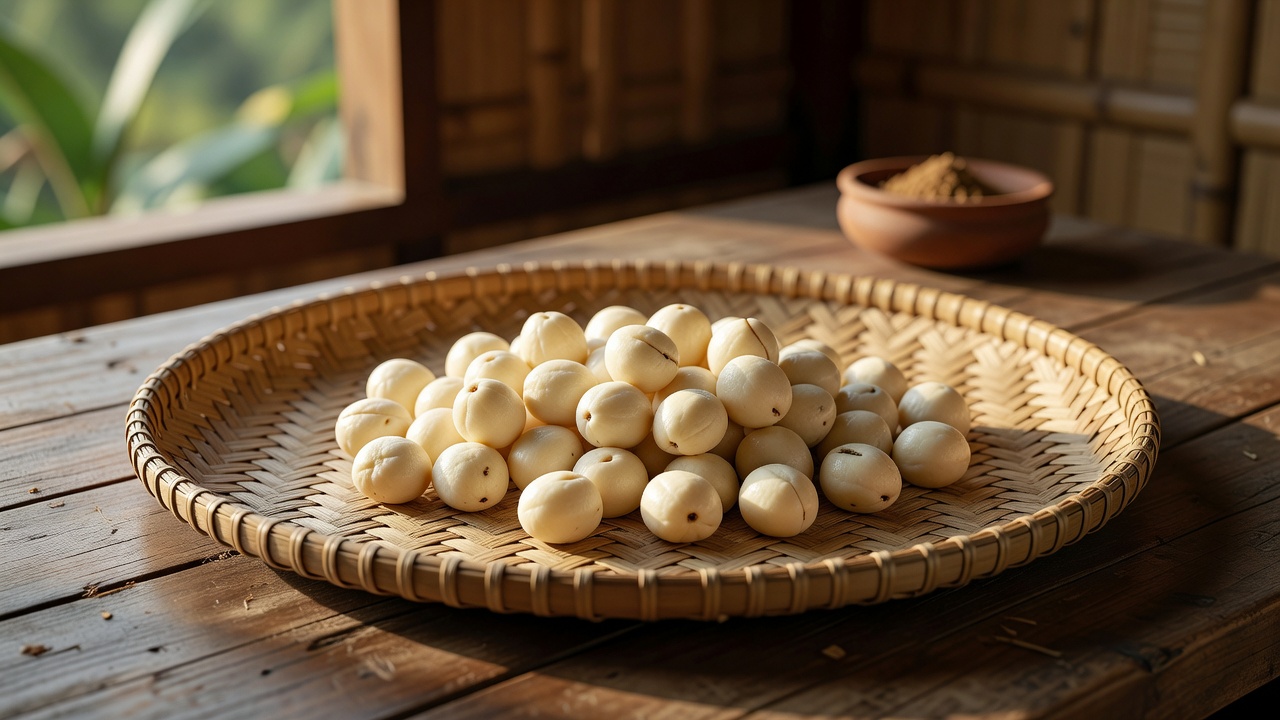
Equally threatening is mold growth. Freshly harvested candlenut can have a moisture content of 20–30%. If not rapidly dried to below 8–10%, fungi such as Aspergillus flavus can proliferate, potentially producing aflatoxins—a serious food safety hazard. That’s why at TasikSpice, our farmers in the Tasikmalaya highland sun-dry the kernels on raised bamboo trays immediately after shelling. The cool mountain air and UV exposure work synergistically to reduce moisture evenly without overheating the oil, preserving the creamy white color characteristic of premium kemiri putih.
Once dried, proper storage conditions are critical. Warehouse temperature should be maintained below 20°C (ideally 10–15°C for long-term holding), and relative humidity must stay under 60%. We store our graded candlenut in climate-controlled facilities before packaging, and we advise our buyers to avoid placing containers near heat sources or direct sunlight during transit.
From Harvest to Packaging: Optimizing Shelf-Life Step by Step
For anyone ordering candlenut bulk, the journey from tree to container is what defines shelf-life. We follow a rigorous protocol:
- Immediate drying after harvest: Kernels are extracted from the hard shell within 24 hours and spread in single layers to dry for 3–5 days until the characteristic “kako” sound is heard when shaken—a traditional sign of optimal dryness.
- Grading and sorting: Only whole, unblemished kernels are selected. We use gravity separators and manual sorting to achieve a purity of 99.5% with less than 3% broken pieces. This reduces the surface area for oxidation and minimizes dust—a mold-friendly substrate.
- Moisture testing: Every batch is checked with a calibrated moisture meter. A maximum of 8% moisture is our export standard for the 2026 season.
- Packaging with oxygen control: For bulk orders, we use woven polypropylene bags with an inner high-barrier polyethylene liner, often adding food-grade oxygen absorbers. For premium orders, we offer vacuum-sealed 25kg packs that effectively halt oxidation and insect activity during months-long sea freight.
These steps, combined with our cool mountainous origin where humidity is naturally low, mean that TasikSpice’s candlenut typically retains its sensory and chemical quality for 12 to 18 months when stored correctly by the buyer. Even after opening, we recommend transferring the kernels to airtight containers and refrigerating for best results.
Packaging Innovations for Global Trade: Beyond the Jute Sack
Traditional jute sacks may look rustic, but they offer almost no barrier against moisture and oxygen. As a forward-looking kemiri supplier, we’ve adopted modern packaging technologies that are becoming the gold standard in spice logistics:
- Multi-layer aluminum foil laminates: These provide a near-total barrier against light, oxygen, and moisture. We use them for vacuum-packed retail-ready units and can offer them for bulk intermediate containers upon request.
- Nitrogen flushing: For high-value shipments, we can displace oxygen with inert nitrogen gas before sealing, dramatically slowing oxidation.
- Desiccant and oxygen absorber sachets: We include these inside every liner bag to actively scavenge residual humidity and oxygen trapped during packing. This is especially valuable for long transit times to the Middle East or Europe.
- Palletized and stretch-wrapped consignments: All our FOB shipments from Tanjung Priok are palletized to prevent compression damage and wrapped in UV-resistant film for extra protection during container loading.
We constantly monitor shipping routes and adjust packaging for the destination climate. For example, orders heading to the Gulf region in summer get extra desiccants to combat potential condensation. You’re not just buying candlenut; you’re investing in a scientifically managed preservation system.
Quality Indicators: How to Evaluate Stored Candlenut Before and After Delivery
Even the best packaging cannot compensate for poor initial quality. When you partner with TasikSpice, we provide a pre-shipment sample (via air courier) so you can verify quality before the container sails. Here’s what to look for:
- Appearance: Premium candlenut kernels are uniformly creamy white to pale ivory. Yellowing or brown spots indicate oxidation or overheating.
- Odor: Fresh candlenut has a mild, nutty scent. Any sharp, paint-like, or rancid smell means the oils have degraded.
- Texture: Kernels should be firm and snap cleanly when broken. Soft or rubbery texture suggests high moisture and imminent mold risk.
- Broken percentage: We guarantee less than 3% broken kernels. Excessive breakage accelerates rancidity because more oil surface is exposed.
- Moisture content: When in doubt, request a moisture analysis certificate. Ours consistently show 6–8%.
Our quality control lab in Tasikmalaya tests every lot for free fatty acids (FFA) and peroxide value (PV) to guarantee freshness. By sourcing from a single highland origin, we ensure consistency that blended suppliers cannot match. As a dedicated partner, we’re happy to share full specifications and even arrange third-party inspection.
Secure Your 2026 Candlenut Supply with TasikSpice
The 2026 harvest is already showing exceptional quality thanks to favorable weather in Tasikmalaya. Our candlenut bulk price remains competitive at $6.30 per kg FOB Tanjung Priok, Jakarta, with reliable monthly volumes. Whether you need 1 ton or a full container, we tailor packaging and logistics to your shelf-life requirements.
Don’t let poor storage sabotage your products. Reach out to our team today to discuss your needs or request a sample. Message us on WhatsApp at +62 812-9869-9940 and experience the TasikSpice difference—where mountain purity meets modern export science.
Interested in sourcing premium Indonesian spices?
Contact TasikSpice on WhatsApp for FOB pricing, samples, and MOQ details.