Candlenut Indonesia: Global Spice Market Outlook 2026
A strong spice market headline does not automatically make a strong purchasing decision. For international Candlenut buyers reviewing the 2026 season, the real opportunity is to connect regional market signals with verified product quality, realistic delivery schedules, and clear landed costs. From the Tasikmalaya highland of West Java, TasikSpice offers Indonesian Candlenut with a stated price of US$6.30/kg FOB Tanjung Priok, Jakarta, providing a starting point for commercial discussions.
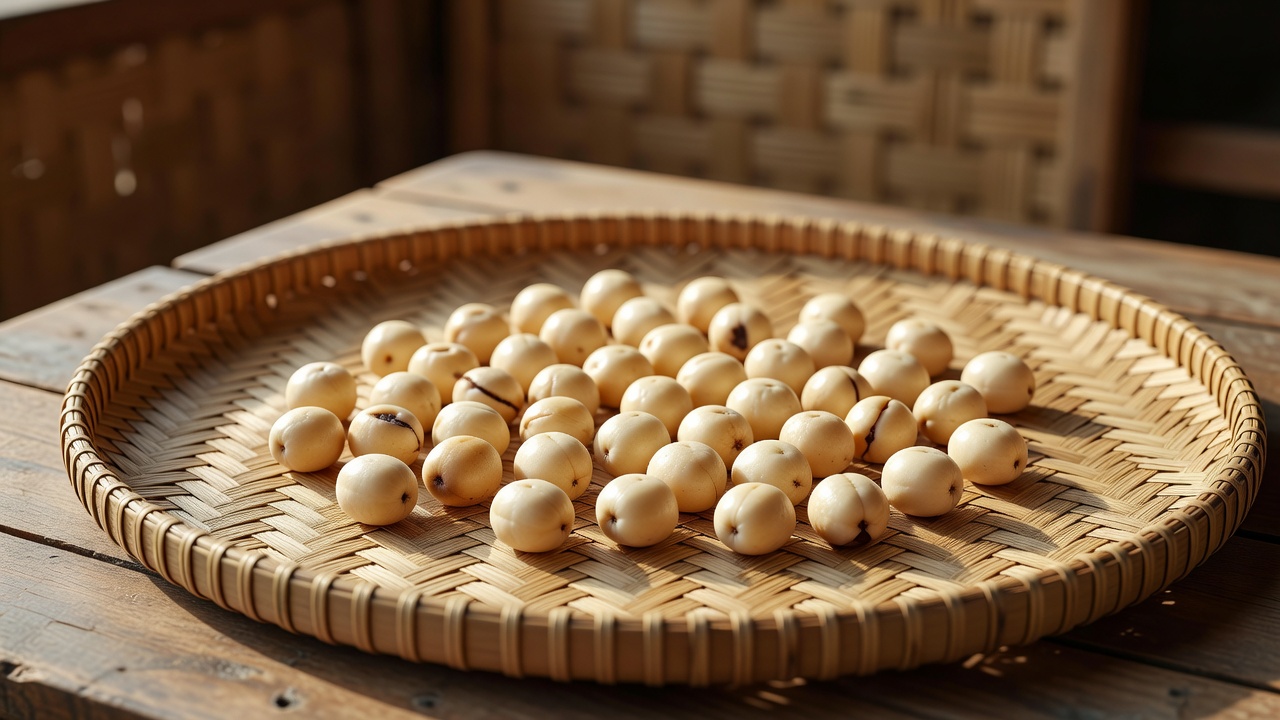
Candlenut, known locally as kemiri putih, is the seed of Aleurites moluccanus. Buyers searching for “kemiri export,” “kemiri supplier,” or “candlenut Indonesia” should distinguish this oil-rich cooking ingredient from White Cardamom, an aromatic spice with different applications and trade dynamics. This distinction matters when interpreting Middle Eastern cardamom demand, European organic requirements, and possible South Asian supply gaps.
As of September 30, 2026, this article treats those themes as purchasing considerations, rather than verified claims of market growth or shortages. Current trade statistics, destination-specific import data, and live supplier quotations are needed before making volume or price forecasts.
Candlenut Bulk Buying Amid Regional Spice Demand
Middle Eastern demand for Indonesian cardamom is a useful topic for diversified spice importers, but it cannot establish demand for Candlenut. Cardamom serves applications such as beverages, confectionery, and seasoning blends. Candlenut is primarily valued for the richness, body, and texture it contributes to cooked sauces and spice pastes. The products are neither direct substitutes nor suitable benchmarks for each other’s unit prices.
For a distributor already sourcing Indonesian cardamom, adding Candlenut may nevertheless make commercial sense if customers include Southeast Asian restaurants, specialist retailers, or food manufacturers. The opportunity should be tested through customer sampling and sales commitments. Buyers should also assess whether shared shipping arrangements offer genuine savings once packaging compatibility, odor protection, shipment timing, and destination clearance are considered.
European buyers face a different purchasing question: whether conventional or certified organic Candlenut best fits their customer base. Organic positioning can open particular channels, but certification brings documentation, segregation, and verification obligations. A premium should therefore reflect a validated sales opportunity and the actual cost of compliant supply, rather than an assumption that every European customer requires organic ingredients.
In South Asia, a reported spice shortage should be investigated at the commodity level. A shortfall in cardamom or another spice does not mean Candlenut can replace it in a recipe or solve the same procurement problem. Buyers should identify the affected ingredient, origin, grade, and delivery window before seeking alternatives. Candlenut becomes relevant where a manufacturer already uses it or has validated it through product development.
Across all three regions, the practical 2026 strategy is measured diversification. Start with an approved sample, calculate landed cost, and secure a manageable first shipment. Increase purchasing only when repeat orders demonstrate demand and the supplier has shown consistent performance.
European Organic Certification and Candlenut Quality
Indonesian origin and traditional farming practices do not, by themselves, establish organic status. For European Union sales, buyers should verify compliance with the applicable EU organic framework, including Regulation (EU) 2018/848. Check the operator’s certificate, the relevant product and activity scope, and whether the control body is recognized for the origin and product category. Organic import consignments generally require a certificate of inspection through TRACES, with the applicable process confirmed before shipment.
TasikSpice’s origin and price information should not be read as a claim of organic certification. Buyers seeking certified material should request current documentary evidence and written confirmation that the offered lot qualifies. Organic certification also does not replace food safety controls, residue compliance, or destination-specific import requirements.
For conventional and organic Candlenut alike, quality begins after collection. Mature material should be gathered promptly, separated from damaged or contaminated stock, and dried under controlled conditions. Shelling must limit kernel damage and foreign matter. Because the kernels are rich in oil, poor drying or exposure to heat, moisture, and oxygen can undermine flavor and storage stability.
A purchase specification should define measurable acceptance criteria rather than rely on the word “premium.” Useful points include:
- Kernel presentation: whole, split, or broken, with agreed tolerances and representative photographs.
- Appearance and cleanliness: acceptable color variation and limits for shell fragments, foreign matter, insect damage, and visibly moldy kernels.
- Moisture and condition: an agreed moisture specification, test method, and rejection criteria for rancid or otherwise abnormal odors.
- Safety and traceability: lot identification, relevant microbiological and contaminant testing, and records connecting processing to shipment.
Whole kernels may suit retail presentation, while controlled broken grades can work for paste production. These are buyer-defined commercial specifications, not a universal grading system. Candlenut should be intended for appropriate cooking or processing; raw kernels can cause illness and should not be marketed as ready-to-eat snack nuts.
FOB Pricing and Export Planning for the 2026 Season
TasikSpice’s stated offer of US$6.30/kg FOB Tanjung Priok, Jakarta is a supplier price, not an independently verified market average. Before issuing a purchase order, request a dated quotation confirming grade, packing, minimum order quantity, available volume, payment terms, loading schedule, and price validity. Confirm whether testing or special certification changes the commercial offer.
Under FOB Incoterms 2020, the seller delivers the goods on board the buyer-nominated vessel at the named port and handles export clearance. The buyer generally arranges main ocean freight and bears risk after loading. Destination charges, import duties, taxes, and inland delivery must enter the landed-cost calculation. For containerized cargo handed over before vessel loading, discuss whether FCA better matches the actual delivery arrangement.
Packaging should protect kernels from moisture, contamination, and physical damage. Agree on food-contact materials, liner performance, pack weight, pallet requirements, and container condition. Ask the supplier to substantiate any shelf-life claim for the proposed packaging and storage conditions. Shipment planning should include the commercial invoice, packing list, transport document, and any origin, phytosanitary, or other certificates required for the destination and product form.
For buyers, dependable Candlenut sourcing in 2026 means converting broad spice-market themes into specific, verifiable purchase terms. Contact TasikSpice on WhatsApp to request a current quotation, representative samples, and available lot specifications from West Java. Share your destination, intended application, required grade, and order volume so the discussion can focus on a shipment that fits your business.
Interested in sourcing premium Indonesian spices?
Contact TasikSpice on WhatsApp for FOB pricing, samples, and MOQ details.