Candlenut Quality: Color, Aroma and Kernel Integrity
A pale candlenut kernel can look excellent in a supplier photograph and still disappoint when the shipment reaches your factory. Lighting can hide discoloration, attractive whole kernels can conceal broken material underneath, and photographs cannot reveal rancidity. For international buyers, the strongest purchasing decision combines three checks: color, aroma, and kernel integrity. Applied to a representative sample, these checks turn a visual impression into a practical, repeatable assessment.
Indonesian Candlenut, locally called Kemiri Putih and botanically identified as Aleurites moluccanus, is valued for the richness and body it contributes to cooked spice pastes and sauces. TasikSpice supplies this product from the Tasikmalaya highland, West Java. For buyers reviewing the 2026 season, this checklist explains what to request, what to reject, and which observations need laboratory confirmation.
Candlenut Color: Inspect the Lot, Not the Photograph
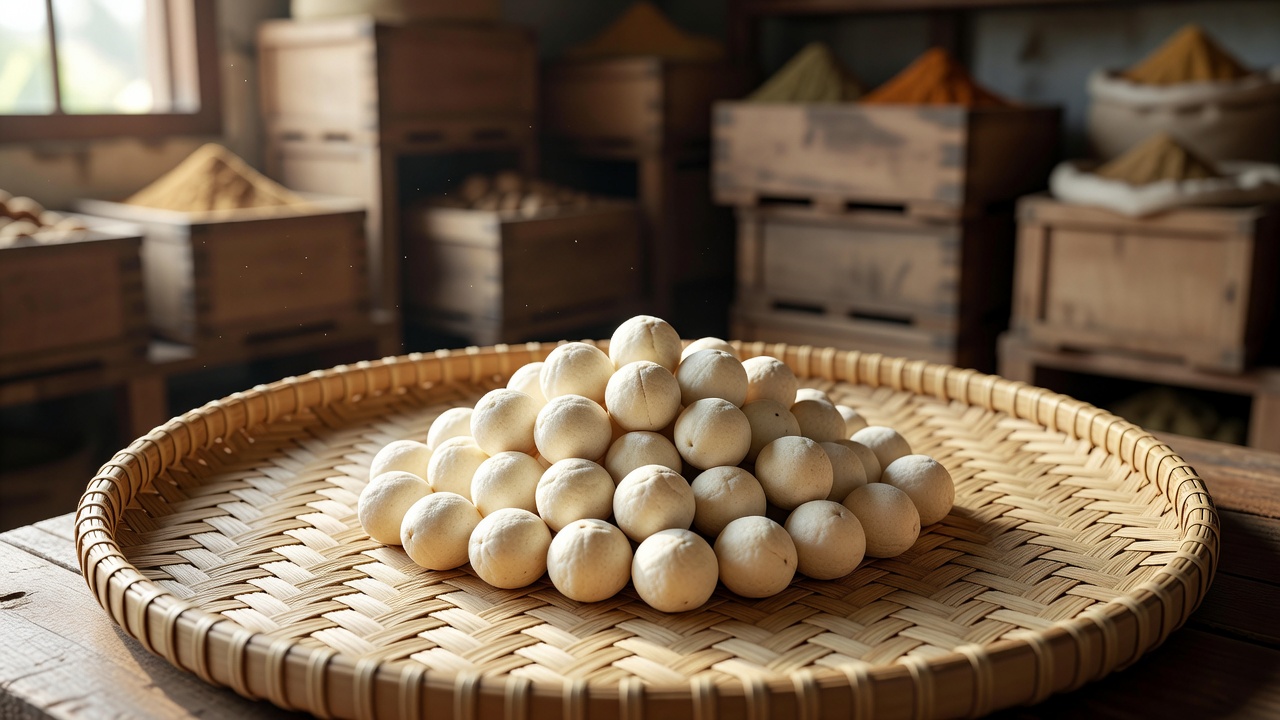
Sound shelled candlenut commonly ranges from ivory to light cream. Some variation is natural, so an exceptionally white appearance should not automatically command a premium. Buyers should judge consistency against an agreed reference sample and investigate unusual gray, brown, or black areas. Color alone cannot establish freshness, safety, or whether a treatment has been used.
Request photographs taken in indirect daylight or consistent neutral lighting, without filters. A white or neutral gray background helps interpretation, although camera settings still affect appearance. Ask for both an overview of the sampled material and close-ups showing individual kernels. Images should include broken pieces and defects found during sampling, rather than only selected whole kernels.
- Base color: Record the typical ivory-to-cream appearance and the extent of variation.
- Discoloration: Separate localized dark marks, widespread browning, and unusual gray areas for closer examination.
- Surface condition: Flag visible mold, webbing, insect damage, adhering dirt, and shell fragments.
- Internal appearance: Cut several kernels open to check whether discoloration extends beneath the surface.
Do not assume every brown mark represents mold, or that every clean-looking kernel is free of contamination. Suspected mold requires investigation and appropriate testing; sorting visible defects does not demonstrate that a lot meets food-safety requirements. Define acceptance criteria before contracting, including how defects will be classified and measured.
Harvesting and post-harvest handling help explain appearance. Collection practices, drying, shelling, and exposure to moisture can influence the final kernels. Ask the supplier for the lot's processing history and drying controls. A 2026 season designation is useful traceability information, but it does not replace evidence about storage conditions or the actual sampled lot.
Candlenut Aroma and Kernel Integrity: Check Beyond Color
Candlenut is an oil-rich ingredient with a generally mild, nutty aroma. A strong smell is not automatically a sign of superior quality. Oxidation can produce stale, paint-like, or otherwise rancid odors, while poor storage may introduce musty smells. Fuel, smoke, chemicals, or strongly scented neighboring products can also affect a shipment's suitability.
Assess aroma using a clean, odor-free container at room temperature. Examine intact kernels first, then break or cut a small portion to expose the interior. Compare the sample with an approved reference using the same procedure. Record specific observations instead of writing only “good” or “bad.” Do not taste raw candlenut: it requires appropriate cooking before consumption.
Aroma screening is useful, but it is subjective and cannot quantify oxidation. Where shelf life or flavor stability is commercially important, agree suitable laboratory indicators, methods, and limits with the buyer's quality team. Depending on the intended application, these may include peroxide value and free fatty acids. No single result should be treated as a complete measure of quality.
Kernel integrity should match the manufacturing process. Whole kernels may be desirable for retail presentation and controlled sorting, while clean broken kernels may suit grinding or paste production. Broken material is not automatically inferior, but greater exposed surface area can make handling and oxidation control more important. Excessive breakage also changes the commercial value of a lot sold as whole kernels.
- Whole kernels: Define what qualifies as whole, including whether minor chips are acceptable.
- Broken kernels: Agree size categories and report their proportion by weight.
- Fines and fragments: Measure these separately because they can complicate cleaning and processing.
- Foreign material: Record shell, stones, and other contaminants separately from edible broken kernels.
- Damaged kernels: Identify insect-damaged, discolored, or otherwise defective pieces using agreed definitions.
Terms such as “premium” and “export grade” are insufficient without measurable specifications. Two suppliers can use the same label for materially different products. A clear defect schedule, reference photographs, and a retained physical sample make grading more consistent across purchasing, production, and receiving teams.
Indonesian Candlenut Export: Turn Checks into Specifications
A useful assessment begins with representative sampling. Agree how bags will be selected across the lot, how increments will be collected, and how the combined sample will be divided. Examining only the top of one sack risks missing uneven drying, localized damage, or inconsistent sorting. Label retained samples with the lot number, sampling date, and relevant shipment reference.
The purchase specification should cover appearance, odor, whole and broken proportions, foreign material, moisture, packaging, and required safety tests. State the measurement methods and acceptance limits explicitly. Moisture cannot be reliably judged by touch, and microbiological hazards or mycotoxins cannot be cleared through visual inspection. Testing should reflect the destination's requirements and the buyer's risk assessment.
TasikSpice lists Candlenut at US$6.30/kg FOB Tanjung Priok, Jakarta. Treat this as the supplied product price, with current availability, grade, packing, quantity, and quotation validity to be confirmed. Under FOB terms, delivery and risk transfer occur when the goods are on board the nominated vessel; buyers should budget for main carriage, insurance arrangements, and destination charges. For container shipments, confirm whether FCA would better match the actual handover.
Before dispatch, agree food-contact packaging, moisture protection, lot identification, and storage instructions. Confirm applicable commercial, origin, phytosanitary, and destination-specific documentation with the importer and logistics provider. Shipment approval should connect the inspected sample, test reports, packing list, and supplied lot through consistent identifiers.
For your 2026 purchasing program, contact TasikSpice on WhatsApp to request current lot photographs, a representative sample, and a quotation against your grading requirements. A documented agreement on color, aroma, and kernel integrity helps both Indonesian suppliers and international buyers evaluate the same product on the same terms.
Interested in sourcing premium Indonesian spices?
Contact TasikSpice on WhatsApp for FOB pricing, samples, and MOQ details.