Candlenut Storage: Prevent Mold & Preserve Oils for Bulk Buyers
Imagine a container of premium candlenut arriving at your warehouse, only to find half the shipment has gone rancid or developed mold during transit. For international spice buyers, this scenario isn't just a logistical headache—it's a direct hit to profitability. As a kemiri supplier to markets across the Middle East, Europe, and South Asia, TasikSpice understands that storage and shelf-life optimization are just as critical as sourcing itself. This guide unpacks the science of keeping candlenut bulk shipments fresh, potent, and mold-free, drawing on our 2026 harvest from the Tasikmalaya highlands.
Why Candlenut (Aleurites moluccanus) Demands Specialized Storage
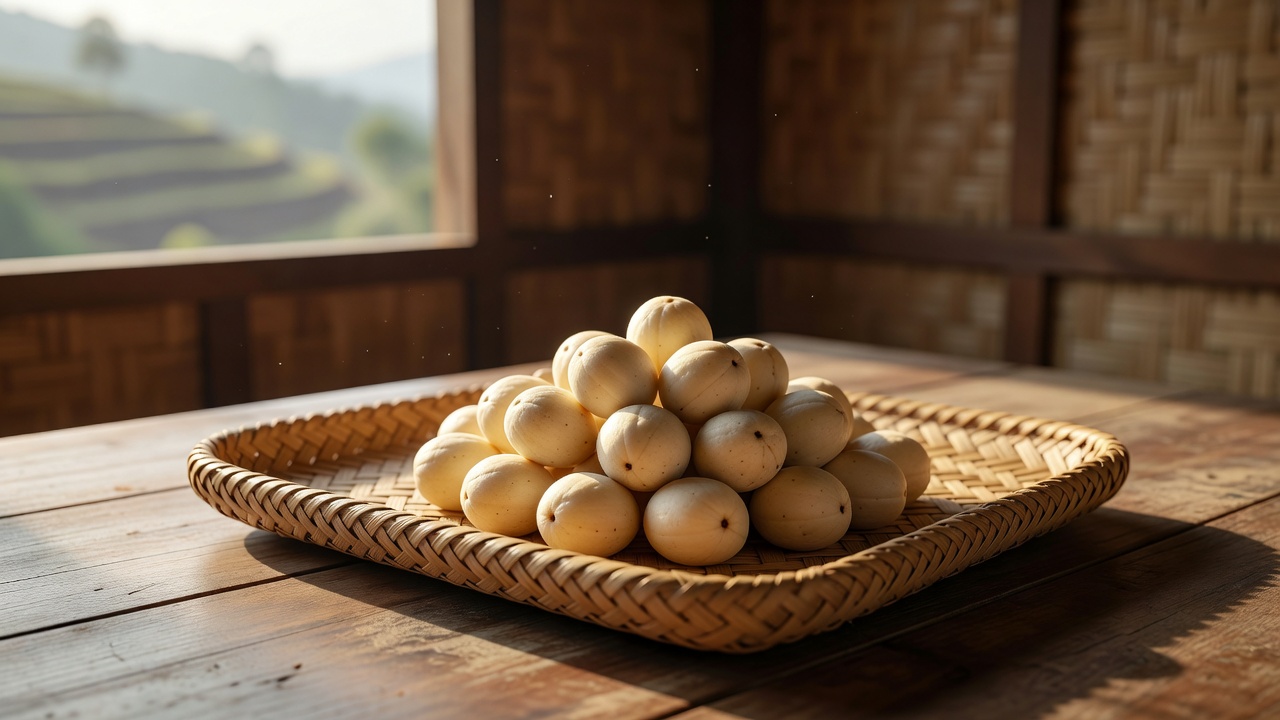
Candlenut, known locally in Indonesia as kemiri, is a tropical nut with an unusually high oil content—typically 55–65% by weight. These oils are rich in unsaturated fatty acids, which give the spice its creamy mouthfeel and traditional binding properties in dishes like rendang. However, that same oil profile makes candlenut highly susceptible to oxidation and rancidity. When exposed to heat, light, or oxygen, the oils break down rapidly, turning the white kernel yellow and producing off-flavors that ruin entire culinary batches.
Compounding the challenge is the nut’s hygroscopic nature. Aleurites moluccanus kernels readily absorb moisture from the air, pushing internal water activity above the critical 0.65 threshold where toxigenic molds like Aspergillus flavus thrive. Aflatoxin contamination isn't just a quality issue—it's a hard regulatory barrier for export markets. Thus, every step from post-harvest drying to final packaging must be designed to lock out humidity and arrest enzymatic degradation.
Preventing Mold: Moisture Control from Highland Harvest to Container
Mold prevention begins at the source. At TasikSpice, our candlenut bulk journey starts in the volcanic soils of Tasikmalaya, West Java, where natural air-drying under low-humidity highland winds brings kernel moisture down to 5–6%—well below the 8% industry standard for safe storage. We reject any lot that tests above 0.60 water activity using calibrated hygrometers, because in tropical shipping lanes, even a half-percent deviation can trigger condensation inside containers.
For buyers, the lesson is clear: always request a moisture content certificate (6% max) and an aflatoxin analysis report (B1/B2/G1/G2 below 4 ppb total for EU compliance) with each shipment. Upon arrival, store kernels in a cool, dry, dark environment—ideally below 20°C and 65% relative humidity. If you must repack smaller quantities, avoid jute or porous sacks that wick ambient moisture. Instead, transfer to airtight bins with food-grade desiccant sachets. Remember, kemiri spice kernels that feel slightly soft or smell musty are already compromised; don't blend them with good stock.
Preserving Essential Oils: Packaging Innovations that Extend Shelf Life
The delicate, slightly sweet aroma of fresh candlenut comes from volatile essential oils that dissipate within weeks under suboptimal storage. To preserve these compounds and prevent oxidative rancidity, modern exporters are moving beyond simple polywoven bags. For candlenut bulk orders, TasikSpice deploys multi-layer packaging technologies tailored to voyage length and climate zone:
- Vacuum-Sealed Blocks: Ideal for <500 kg consignments. We compress kernels into dense blocks, evacuate air, and seal in high-barrier nylon/PE laminate. Oxygen levels drop below 0.5%, stalling lipid oxidation and insect activity. Shelf life: 18+ months.
- Nitrogen-Flushed Hermetic Bags: For full container loads, we fill 25 kg woven PP bags with a food-grade hermetic liner, flush with nitrogen gas, and heat-seal. The inert atmosphere preserves oil integrity without vacuum compression damage. This method is favored by kemiri supplier partners shipping to the Middle East during summer months.
- Aluminum Foil Laminate with Moisture Absorber: For small, high-value shipments (e.g., organic-certified lots), each 5 kg pouch gets a dedicated silica gel absorber inside a three-ply foil pouch. This eliminates light exposure and maintains water activity at factory-fresh levels for over 24 months.
Our 2026 harvest packaging has been upgraded with track-and-probe humidity indicators on each pallet, so buyers can verify intact conditions at a glance. We also pre-cool cargo to 12°C before container loading during peak tropical humidity, preventing “container rain” that often plagues unmanaged shipments.
Buyer's Best Practices: Receiving, Rotating, and Reconditioning Stock
Even with export-grade packaging, smart inventory management extends value. Upon receiving candlenut containers, immediately inspect seal integrity and test a sample for moisture and oil acidity (free fatty acid %). Use first-expiry-first-out rotation, and never store opened hermetic liners beyond 30 days without repacking. If kernels appear dry but have lost aroma, they may still be usable for oil extraction or paste production—talk to our team about reconditioning options.
For food manufacturers incorporating kemiri spice into ready-to-use pastes, consider controlled atmosphere storage rooms set at 10–12°C. This doubles the effective shelf life of extracted oils versus room temperature holding. And always keep a sample archive from each lot; it's your defense in quality disputes and invaluable for traceability audits.
As a direct exporter from the Tasikmalaya highland, TasikSpice marries traditional drying wisdom with modern packaging science. Our 2026 crop of Candlenut (Aleurites moluccanus) is available now at $6.30/kg FOB Tanjung Priok, Jakarta, with flexible packaging options from vacuum blocks to nitrogen-flushed bulk bags. Request a storage trial sample—contact us on WhatsApp at +62 812-9869-9940 to discuss your volume and destination, and we'll engineer a shelf-life guarantee that protects your investment.
Interested in sourcing premium Indonesian spices?
Contact TasikSpice on WhatsApp for FOB pricing, samples, and MOQ details.