Global Cocoa Bean Trade 2026: Which Countries Buy Indonesian Cocoa and Why Sulawesi Leads
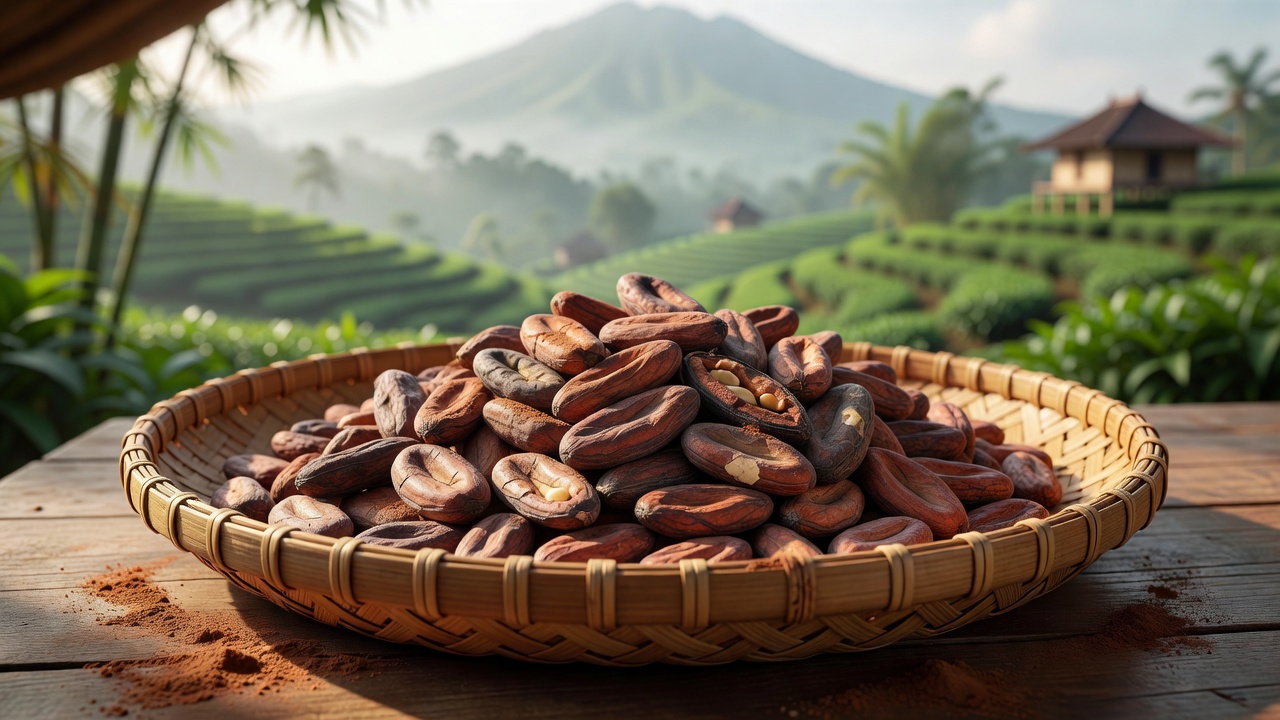
The global appetite for Indonesian cocoa beans is reaching new heights in 2026, with import data from the first half of the year revealing a clear story: Sulawesi cocoa is no longer just a commodity—it’s a strategic sourcing decision for chocolate manufacturers and ingredient traders worldwide. While West African origins grapple with weather shocks and regulatory turbulence, Indonesia’s consistent quality, improving fermentation standards, and competitive FOB pricing are quietly but dramatically reshaping trade flows. At TasikSpice, we’re seeing this shift firsthand through a surge in inquiries from buyers who have traditionally sourced elsewhere. Let’s unpack the numbers, the key importing countries, and the specific advantages that make Indonesian cocoa beans—especially from Sulawesi—a standout choice in 2026.
The 2026 Cocoa Bean Import Landscape: A Data Snapshot
Global cocoa bean imports are on track to exceed 3.8 million metric tons in the 2025/26 crop year, with Indonesia solidifying its position as the world’s third-largest producer and a net exporter of approximately 350,000–380,000 metric tons. What’s striking in recent customs data is not just volume, but the broadening of destination markets. Traditionally, Southeast Asian neighbors like Malaysia and Singapore have been dominant buyers, accounting for nearly 45% of Indonesian cocoa bean shipments—primarily for processing and re-export. However, 2026 trade figures from BPS-Statistics Indonesia and Eurostat show a notable pivot: direct imports by European grinders have risen by 18% year-on-year, while Chinese demand has jumped an unprecedented 27% as domestic chocolate consumption accelerates. This diversification reduces risk for Indonesian exporters and creates stable, long-term demand for quality-focused suppliers like TasikSpice.
Breaking down the top five destinations for Indonesian cocoa beans in Q1–Q2 2026:
- Malaysia – 22% of total exports, mainly unfermented bulk beans for butter pressing.
- United States – 16%, with a sharp increase in demand for fermented, high-flavor Sulawesi beans for craft and premium chocolate segments.
- Netherlands – 13%, driven by Amsterdam’s role as the world’s largest cocoa port and grinding hub.
- Germany – 11%, favoring consistent mid-grade beans for industrial chocolate.
- China – 9%, a rapidly growing market where Indonesian cocoa is prized for its price-to-fat ratio.
These figures underscore a critical insight: price alone no longer dictates sourcing. Importers are increasingly selecting origins based on fermentation consistency, bean count, and traceability—areas where Sulawesi’s farmer cooperatives have made significant strides in the last two harvest cycles.
Why Sulawesi Cocoa Outcompetes Rivals in 2026
When buyers ask us why they should choose Indonesian cocoa over Ivorian or Ghanaian beans, the answer lies in a combination of agronomic, logistical, and market factors that have come into sharp focus this year. First, Sulawesi’s unique terroir—volcanic soils, equatorial rainfall, and traditional agroforestry systems—imparts a mild, buttery flavor profile with low astringency, making it exceptionally versatile for both milk and dark chocolate formulations. Unlike the sometimes smoky or overly bitter notes found in beans from other regions, Sulawesi cocoa delivers a clean canvas for chocolatiers. Second, the average bean count of 100–110 beans per 100 grams (grade A, fermented) meets the exacting standards of European buyers, while our FOB price point from Tanjung Priok, Jakarta remains 8–12% more competitive than comparable Guatemalan or Indian origins for cocoa-equivalent products.
Logistics also give Indonesia an edge. Direct shipping lanes from Jakarta to Rotterdam, New York, and Shanghai have stabilized freight costs in 2026, and with TasikSpice’s streamlined export documentation—including certificates of origin, phytosanitary certificates, and fumigation certificates—containers move without delays. We package cocoa beans in food-grade jute bags (60–65 kg) with hermetic liners to preserve fermentation integrity during transit, a detail that European grinders consistently cite as a reason for repeat orders. Furthermore, the Indonesian government’s ongoing cocoa revitalization program, launched in 2023, has expanded yields in Sulawesi and parts of Sumatra by rehabilitating aging plantations with high-yielding, disease-resistant clones. This ensures supply stability well into the 2026/27 season, a reassurance that West African counterparts, plagued by swollen shoot virus and erratic harvests, cannot always provide.
Deep Dive: Where Fermented Sulawesi Beans Are Winning Premium Markets
The biggest structural shift in 2026 is the growing bifurcation of the market into “bulk unfermented” and “premium fermented” segments. Malaysia continues to absorb a large share of unfermented beans for cocoa butter extraction, but Europe and North America are paying USD 300–400 per metric ton premiums for well-fermented, single-origin beans with defined flavor notes. TasikSpice has aligned its farmer network in South Sulawesi precisely with this trend: we mandate a minimum 5-day box fermentation followed by careful sun-drying on raised bamboo mats, achieving moisture content consistently under 7.5%. Independent lab tests confirm exceptionally low levels of free fatty acids and polycyclic aromatic hydrocarbons (PAHs), which have become non-negotiable requirements under updated EU Regulation 488/2014 limits in 2026.
This quality focus is directly reflected in our growing client list. A mid-sized German chocolate maker previously sourcing solely from Ghana switched to our Sulawesi fermented beans in early 2026 after blind cupping tests scored our beans 4.2 out of 5 for chocolate intensity and fruitiness. An American bean-to-bar producer now exclusively uses TasikSpice’s Sulawesi origin for their single-estate dark chocolate line, citing the traceability we provide from cooperative to container. These aren’t isolated anecdotes; they’re part of a broader pattern where buyers invest in relationship-based sourcing to lock in quality. If you’re evaluating new origins for the 2026 harvest, we invite you to contact TasikSpice on WhatsApp for current FOB pricing, sample shipments, and detailed quality specs—we typically respond within hours, Jakarta time.
Making the Connection: Your 2026 Cocoa Beans Sourcing Roadmap
Understanding import data is only half the equation; execution is what separates a successful procurement cycle from a disappointing one. With the Indonesian main cocoa harvest peaking from May through August (with a smaller intermediate harvest in October–December), now is the optimal time to secure containers for Q4 2026 and early 2027 deliveries. TasikSpice offers both bulk and container-load quantities with flexible Incoterms (FOB, CIF), and we can coordinate shipping to your preferred discharge port. Our export team handles all necessary Indonesian export regulations, including mandatory SNI certification and pre-shipment inspection, so you receive a hassle-free, fully compliant cargo.
For serious buyers ready to experience the quality that has propelled Indonesian cocoa to the forefront of global trade, we recommend starting with a trial container of 16 metric tons of premium fermented Sulawesi beans. You’ll receive a pre-shipment sample, a full specification sheet, and access to our agronomist’s growing reports. The 2026 season is already in motion—don’t let another cycle pass without tapping into the origin that data proves is ascendant. Reach our export desk directly at wa.me/6281298699940 and mention this blog post for priority consultation and a complimentary sample evaluation kit. We’re TasikSpice, straight from the highlands of Tasikmalaya to the world’s manufacturing hubs, and we’re here to make your cocoa sourcing smarter.
Interested in sourcing premium Indonesian spices?
Contact TasikSpice on WhatsApp for FOB pricing, samples, and MOQ details.