Corn Maize Export Certifications: A Practical Roadmap
A certificate can open a buyer’s door, but the wrong certificate can consume an exporter’s budget without securing a single shipment. For buyers sourcing Corn (Maize), known in Indonesia as Jagung Pipil, the practical question is which assurance matches the product’s intended use and destination. Whether the order is for milling, food ingredients or animal feed, a strong certification roadmap begins with safety and traceability, then adds the credentials customers actually require.
For the 2026 season, TasikSpice’s Indonesian sourcing context includes corn from Java and Lampung, with quotations available on request on an FOB Tanjung Priok, Jakarta basis. Corn maize, botanically Zea mays, is a cereal rather than a spice, so exporters expanding from spices into grain must account for different handling volumes, quality specifications and end-use requirements. This guide explains how to prioritize HACCP, Organic, Fair Trade and Halal without treating them as interchangeable guarantees.
HACCP First: Safety for an Indonesian Corn Export
For most conventional corn businesses, the first investment should be a functioning food or feed safety system supported by reliable lot records. HACCP, or Hazard Analysis and Critical Control Points, provides a method for identifying significant hazards, establishing controls and verifying that those controls work. Its principles are described in the Codex Alimentarius General Principles of Food Hygiene. HACCP certification requirements and acceptance vary by buyer, scheme and jurisdiction; a certificate alone does not establish destination-market compliance.
Maize deserves particular attention because mycotoxins, including aflatoxins and fumonisins, can undermine an otherwise attractive shipment. Buyers should agree on applicable limits according to destination and use, together with representative sampling procedures and suitable laboratory methods. Contamination can be unevenly distributed, so a small, casually collected sample may misrepresent a lot. Drying helps prevent further fungal growth but does not reliably remove toxins already present.
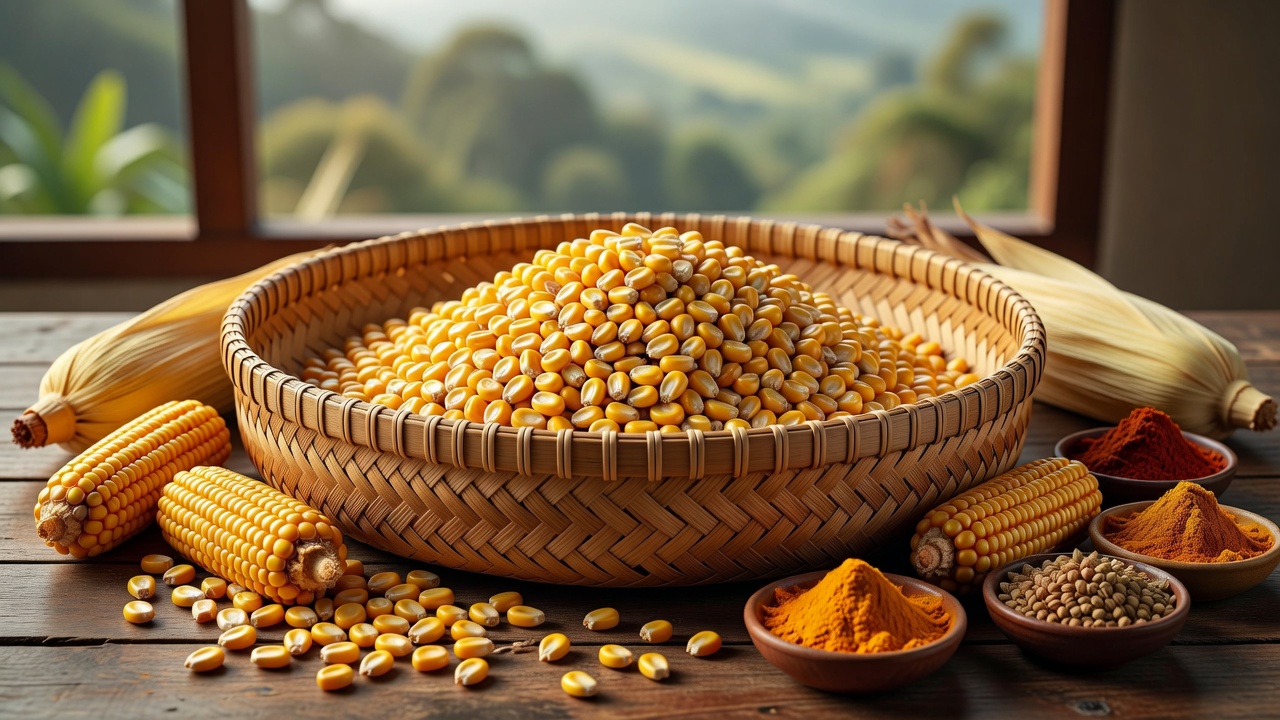
Practical controls start at harvest. Mature ears should be handled promptly, protected from rain and soil contamination, and dried under controlled conditions. Shelling equipment should limit kernel damage, while cleaning should remove foreign material. Storage management must address moisture migration, condensation, pests and lot separation. Moisture targets should reflect storage duration, climate, transit conditions and the purchase contract; there is no single specification that guarantees safe storage everywhere.
A dependable corn grain supplier should translate these controls into a written specification covering moisture, foreign matter, broken kernels, damaged or moldy kernels, infestation and relevant contaminants. Specify the test method and acceptance basis where disagreements are likely. Terms such as “premium” or “Grade A” have limited value unless linked to an agreed grading standard or measurable contract criteria.
For food manufacturing, some customers may require a recognized food safety certification scheme beyond a standalone HACCP certificate. Feed customers may instead specify an applicable feed assurance scheme. When discussing feed corn Indonesia procurement, establish these requirements before booking an audit: a food-focused certificate may not satisfy a feed buyer’s approval process.
Organic, Fair Trade and Halal: Which Matters Most?
Organic matters most when the customer is buying an organic product. It concerns the production and handling system, including permitted inputs, conversion requirements, segregation and traceability. Certification must be accepted under the destination’s organic rules and cover the relevant activities. Farm certification alone may not cover an exporter’s storage, packing or trading operations. Organic status also does not replace testing for mycotoxins or other safety hazards.
For exporters, the commercial challenge is maintaining an eligible supply chain from planting through shipment. Conventional and organic grain must remain identifiable and protected against mixing. Depending on the market, shipment-specific documentation may be required. Before funding conversion or separate storage, obtain a realistic buyer commitment and compare the expected premium against certification, inspection, recordkeeping and handling costs. Organic grain is not automatically accepted as a verified non-GMO product under every buyer’s specification.
Fair Trade matters most when the buyer has a defined ethical sourcing program. The term can refer to different certification systems with distinct producer eligibility, product coverage, trading rules and trademark requirements. Confirm that the intended scheme covers the maize supply chain and sourcing organization before presenting certification as a deliverable. A general statement about supporting farmers is not equivalent to independently certified Fair Trade status.
This route can be useful for buyers seeking documented producer benefits, but demand should lead the investment. Check whether the customer requires a particular label, whether the relevant producer organization qualifies, and what obligations apply to the exporter. Organic and Fair Trade address different objectives; holding one does not establish compliance with the other.
Halal matters most where destination rules or buyer policies require recognized assurance. Plain maize is generally regarded as a permissible plant ingredient, but certification may still be commercially important. Audits can examine handling, processing aids, shared equipment, storage and contamination controls. Recognition of the certifying body matters: a certificate accepted by one buyer or country may not be sufficient elsewhere.
For Indonesian corn export planning, confirm current product classification, destination requirements and any applicable Indonesian obligations with the importer and a competent certification body. Avoid assuming that every shipment needs Halal certification or that raw grain is automatically exempt. For a conventional buyer requiring recognized Halal documentation, Halal may deserve priority over Organic or Fair Trade.
A Certification Roadmap for Corn Grain Supplier Selection
Build the roadmap around a concrete purchase specification. First, identify the destination, intended use and mandatory import conditions. Second, establish traceability, hygiene, hazard controls and testing. Third, secure any buyer-required food or feed assurance certification. Finally, add Organic, Fair Trade or Halal when a defined market requirement justifies the expense. Where several requirements apply, plan audits and records together while preserving each scheme’s separate rules.
Before approving a supplier, request certificate copies and verify their validity, issuing body, site address, scope and covered activities. Match the shipment to lot records and a relevant certificate of analysis. For certified claims, confirm the supporting chain-of-custody and shipment documents required by the chosen scheme. These checks provide stronger assurance than logos in a sales brochure.
Logistics should reinforce that assurance. Agree on bulk or bagged presentation, packaging suitability, container cleanliness and measures to manage moisture during transit. Confirm required phytosanitary documents, origin documentation and any treatment conditions with the importer. Certification does not replace these export and import formalities.
For 2026 season pricing, contact TasikSpice for an FOB Tanjung Priok, Jakarta quotation specifying origin, quantity, quality parameters, packaging, certification requirements and shipment window. Under FOB, delivery and risk transfer occur when the goods are on board the nominated vessel; main ocean freight and cargo insurance are generally arranged by the buyer. For containerized cargo handed over before loading, discuss whether FCA better matches the actual delivery arrangement.
Contact TasikSpice on WhatsApp to discuss Java or Lampung corn requirements and confirm available documentation before contracting. A clear specification and a verified certification scope make the next sourcing decision much easier.
Interested in sourcing premium Indonesian spices?
Contact TasikSpice on WhatsApp for FOB pricing, samples, and MOQ details.