Cubeb Pepper: Jakarta FCL Loading Guide for Exporters
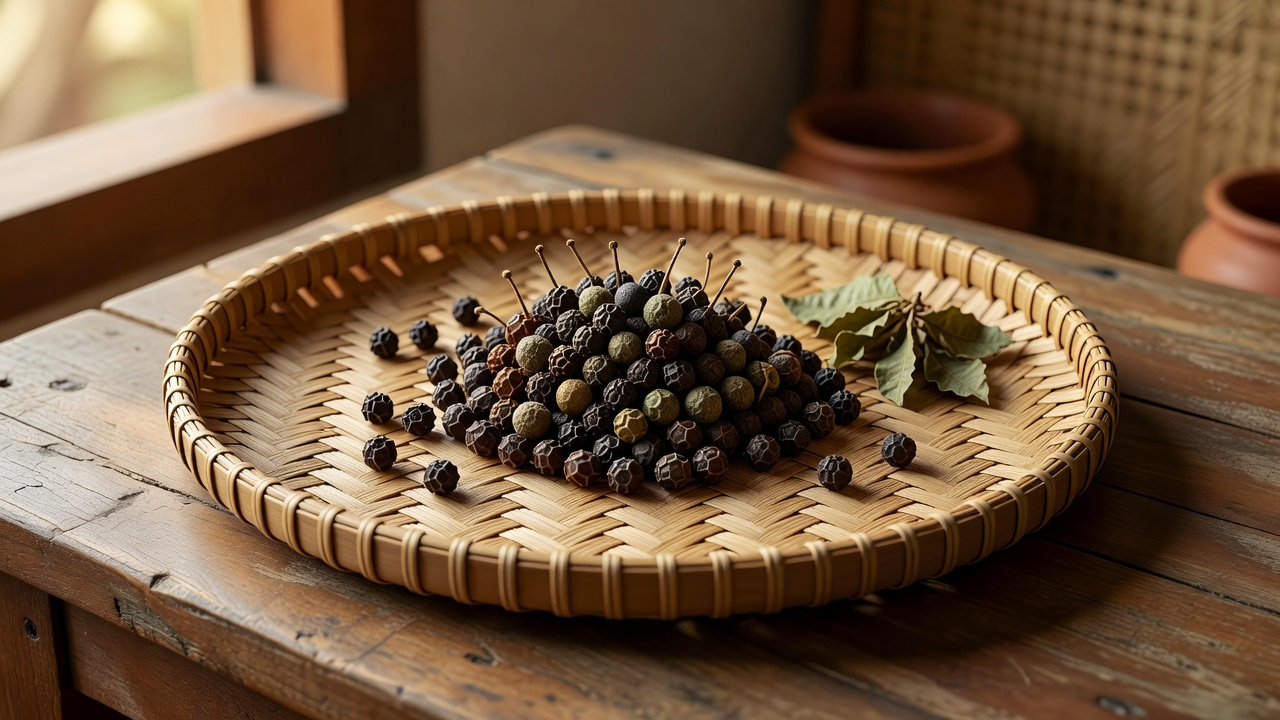
A spice shipment can pass inspection at the warehouse and still arrive with condensation damage, crushed packaging or mixed lot identities. For buyers of Indonesian cubeb, the loading plan deserves as much attention as the sample. Cubeb Pepper, also known as kemukus, is traded alongside White Cardamom and Candlenut, but these products need distinct packing decisions. This guide explains how to prepare them for dedicated or mixed-product 20ft and 40ft full-container-load shipments from Jakarta.
Prepared for September 15, 2026, this guide supports purchasing and shipment planning for the 2026 season. TasikSpice, an Indonesian spice exporter based in the Tasikmalaya highland region of West Java, offers Cubeb Pepper originating from Java or Sumatra. Botanical identity matters: Cubeb Pepper is Piper cubeba, a tailed pepper with a distinctive aromatic profile. White Cardamom and Candlenut are separate commodities; neither should inherit a Cubeb Pepper specification simply because they share a container.
Indonesian cubeb quality starts before container loading
Good container performance begins with a stable, correctly identified lot. Cubeb Pepper berries are generally harvested before full ripeness and dried before cleaning and grading. Drying must produce a uniform, storage-suitable product without contamination from soil, smoke or dirty handling surfaces. Harvest timing and drying conditions influence appearance, aroma and the proportion of damaged berries, so a sample should represent the actual shipment rather than an earlier production lot.
For export purchasing, replace vague descriptions such as premium grade with measurable acceptance criteria. Agree botanical identity, origin, crop or processing period, moisture specification, foreign matter, broken berries and infestation status. If tails or whole-berry appearance affect the intended market, record those requirements separately. Where relevant, set microbiological, pesticide-residue and contaminant requirements against the destination market and the buyer's intended use. A visual check alone cannot establish compliance.
White Cardamom needs its own agreement on capsule condition, size distribution, color, seeds and broken material. Candlenut specifications should distinguish in-shell nuts from kernels because this changes packing volume, breakage exposure and storage behavior. Its oil-rich kernels warrant particular attention to oxidation and rancid odors. Keep these specifications separate from the Cubeb Pepper contract, even when one purchase order covers all three products.
Before release, take representative samples using an agreed sampling procedure and retain sealed reference samples. Record laboratory methods where results determine acceptance; moisture measurements obtained through different methods may not be directly comparable. Check that product has cooled after drying or treatment before sealing bags. Packaging warm product can contribute to moisture problems, while loading cannot correct a lot that was insufficiently dried.
Pack bulk cubeb Indonesia orders for 20ft and 40ft FCL
Buyers sourcing bulk cubeb Indonesia shipments should specify the complete packaging system: bag construction, liner material, closure, net weight and pallet arrangement where applicable. Food-contact suitability and resistance to handling damage are essential. Woven outer sacks can provide strength, while suitable inner liners can help limit moisture exchange. Select the barrier properties for the product and voyage; an inner liner is not a substitute for proper drying.
For White Cardamom, protect capsules from excessive compression and use packaging appropriate to aroma retention and buyer requirements. For Candlenut kernels, assess whether bags, cartons or another validated format provide sufficient protection against crushing and oxidation. Vacuum or modified-atmosphere packing may be appropriate for particular kernel programs, but should follow an established packing and shelf-life specification rather than an improvised shipment-day decision.
A standard 20ft dry container commonly has approximately 33 cubic meters of internal volume, while a standard 40ft unit has about 67 cubic meters. A 40ft high-cube container is different and commonly provides around 76 cubic meters. These are planning references, not guaranteed usable capacities. Confirm the actual equipment dimensions, door opening and permitted payload with the carrier. Packaging geometry, pallets, clearance and securing materials reduce usable space.
Calculate capacity from measured packed units. Start with each filled bag or carton's external dimensions and gross weight, then model rows, layers and stack height. Validate the model through a trial stack, especially for flexible sacks. For illustration, 800 bags containing 25 kilograms each equal 20 metric tonnes of net product; packaging, pallets and securing materials add to gross cargo weight. This arithmetic does not prove that the load fits or meets applicable transport limits.
- Check volume: Allow for realistic bag shape, pallet dimensions and safe stacking.
- Check weight: Respect the container's marked limits, carrier restrictions and inland transport requirements.
- Check compression: Confirm that bottom layers can withstand the proposed stack throughout transit.
- Check compatibility: Assess aroma transfer and packaging barriers before combining commodities.
A 40ft container does not automatically permit twice the cargo weight of a 20ft container. Dense Candlenut cargo may reach a weight constraint before filling the available volume, depending on product form and packaging. A lighter shipment may reach its volume limit first. Choose equipment after the packing calculation, not from a fixed tonnes-per-container claim.
Java pepper export: loading and FOB Jakarta checks
Inspect the empty container before stuffing. It should be dry, clean, structurally sound and free from pests, objectionable odors and visible contamination. Check roof and wall condition, door seals and the floor. Reject unsuitable equipment. Load under cover where possible, and protect staged bags from rain and humid ground surfaces. For moisture-sensitive cargo, size desiccants according to supplier guidance, voyage conditions and the packaging system; they cannot compensate for wet cargo.
Distribute weight evenly and secure the load against movement. In mixed shipments, use clearly identified blocks by commodity and lot, with suitable separation and protection against crushing. Avoid placing heavy Candlenut packages above vulnerable cardamom capsules. Separation alone does not stop volatile aromas from migrating, so dedicated containers may be preferable where sensory requirements are strict. If wood pallets or dunnage are used, confirm applicable ISPM 15 requirements.
Photograph the container inspection, lot labels, loading stages, securing arrangement and final seal. Reconcile package counts with the packing list and record container and seal numbers. Arrange verified gross mass submission within the carrier's deadline. Commercial invoices, packing lists and transport documents should match; confirm destination-specific requirements for phytosanitary documentation, origin evidence, testing and any treatments before booking.
Cubeb Pepper pricing is available on request, FOB Tanjung Priok, Jakarta. Under an agreed FOB Incoterms 2020 contract, risk transfers when the goods are on board the nominated vessel. Because containerized cargo is commonly handed over at a terminal earlier, discuss whether FCA better reflects the actual delivery arrangement. Define terminal handling, documentation, inspection and other charges explicitly. No single FOB price applies across grades, packing formats and shipment dates.
For a 2026 season quotation, send TasikSpice your destination, required specifications, quantity, packaging preference and proposed container size. Include the product split if White Cardamom or Candlenut will travel with Cubeb Pepper. Contact TasikSpice on WhatsApp to discuss current lot availability, FOB pricing and a loading plan based on the actual packed cargo.
Interested in sourcing premium Indonesian spices?
Contact TasikSpice on WhatsApp for FOB pricing, samples, and MOQ details.