Fermentation Excellence: Enhancing Sulawesi Cocoa Beans for Export
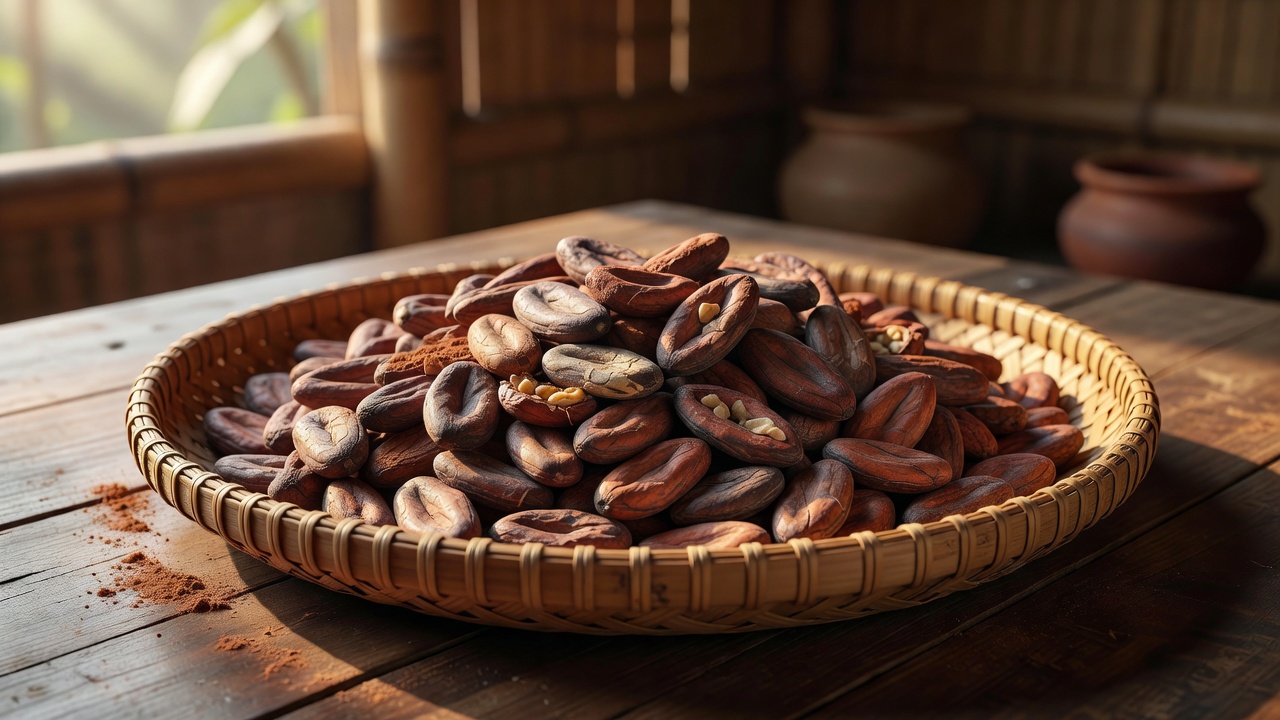
Behind every premium chocolate bar lies a secret: meticulous post-harvest processing. For bulk cocoa importers, understanding how raw Cocoa Beans (Theobroma cacao), known locally in Indonesia as Biji Kakao, are transformed through fermentation and curing is the key to unlocking superior flavor and consistent quality. At TasikSpice, our Sulawesi cocoa supply chain is built on these value-add techniques, ensuring that international buyers receive the finest fermented cocoa beans from Indonesia’s fertile highlands. As the 2026 harvest season brings fresh supplies, now is the ideal time to secure bulk cocoa Indonesia that meets world-class standards.
Why Fermentation Matters for Premium Cocoa
The Theobroma cacao bean, fresh from the pod, is encased in a sweet, mucilaginous pulp. Left unprocessed, the beans are incredibly bitter and astringent, lacking the complex flavor profile that chocolate makers demand. Fermentation is the critical first step that initiates biochemical transformations: it kills the bean embryo, prevents germination, and develops the precursors of chocolate flavor. Properly fermented cocoa beans from Sulawesi exhibit deep brown hues, a pronounced chocolate aroma, and a rich, well-rounded taste that commands higher prices in the international market.
For buyers sourcing bulk cocoa Indonesia, consistency in fermentation is paramount. Under-fermentation results in purple, slaty beans with off-flavors, while over-fermentation can produce rotting and excessive acidity. Our TasikSpice team monitors every batch to ensure the perfect balance—a hallmark of premium Sulawesi cocoa.
The Fermentation Process: Step-by-Step for Export-Grade Beans
In Sulawesi’s smallholder farms and centralized processing stations, the fermentation of cocoa beans follows a time-tested method that leverages the tropical climate. The process is carefully managed to yield uniformly fermented cocoa with an average bean count and moisture content ideal for export.
- Pod Selection and Breaking: Only ripe, disease-free pods are harvested. Within 24 hours, the pods are cracked open, and the beans with pulp are extracted exactly to retain the natural sugars that fuel fermentation.
- Heap or Box Fermentation: The wet beans are piled into wooden boxes or heaped on banana leaves, typically in a layer 40-60 cm deep. The heap is covered with jute sacks or leaves to generate heat. Fermentation lasts between 5 and 7 days, with the mass turned after the first 48 hours, then every 24 hours thereafter to aerate and evenly distribute temperature.
- Microbial Activity: Yeasts, lactic acid bacteria, and acetic acid bacteria sequentially break down the pulp sugars, producing alcohol and acetic acid. The acid penetrates the bean shell, lowering the pH inside and triggering enzymatic reactions that form flavor precursors. Temperatures inside the heap rise to 45-50°C, killing the germ and further driving color change from purple to warm brown.
- Visual and Sensory Cues: By day 5, a well-fermented batch reveals beans that are plump, fully brown (cut test shows deep brown cotyledons), with a fruity, vinegary aroma transitioning to a cocoa-rich scent. TasikSpice’s quality controllers perform a cut test on every 500-kg lot to guarantee at least 85% fully fermented beans—well above the industry average for Sulawesi cocoa.
Curing and Drying: Locking in Quality and Shelf Life
Post-fermentation, the beans are still high in moisture (around 45-50%) and must be dried promptly to a stable 7% moisture content to prevent mold and ensure safe transport. Sun-drying on raised bamboo mats or concrete patios is the traditional method in Sulawesi, taking 5-10 days under direct sunlight. Mechanical dryers are used during the rainy season to guarantee consistency. The beans are turned frequently to prevent case hardening—a condition where the shell dries too fast, trapping internal moisture and causing spoilage upon storage.
Properly cured beans exhibit a crisp snap when broken, uniform color, and a lingering chocolatey note. At TasikSpice, we store cured beans in well-ventilated warehouses at ambient humidity below 70% until shipment. This careful drying process not only preserves the fermented cocoa’s flavor but also extends its shelf life up to two years, giving bulk cocoa importers peace of mind.
Value-Add Techniques for the Global Spice Trade
Beyond basic processing, modern importers increasingly seek value-added services to streamline their supply chain. TasikSpice offers a range of post-harvest enhancements for our Sulawesi cocoa beans:
- Electronic Sorting and Grading: After curing, beans pass through optical sorters that remove flat, broken, or moldy beans with over 99% efficiency. We then classify by bean count (e.g., Grade A: 100 beans per 100 grams, Grade B: 110-120 beans), a critical metric for chocolate manufacturers who require consistent particle size.
- Hand-Picking and Polishing: For specialty buyers, our trained staff manually inspect beans to remove any remaining defects, followed by gentle polishing to enhance appearance—ideal for premium retail or organic segments.
- Organic and Fair-Trade Certification: In response to market demand for sustainable cocoa, TasikSpice collaborates with certified smallholder cooperatives in South Sulawesi to offer organic fermented cocoa beans that comply with EU and NOP standards. As of the 2026 season, we are expanding our certified supply base to meet rising European demand.
- Dried Cocoa Nibs (Cracked Beans): For manufacturers looking to skip the winnowing step, we can process whole beans into raw nibs—saving time and equipment costs while preserving the flavor integrity of Theobroma cacao.
These value-add techniques position TasikSpice not just as a bulk cocoa Indonesia supplier, but as a strategic partner for global food and confectionery businesses.
Storage, Packaging, and Export Logistics
All our processed cocoa beans are packed in new, clean jute bags (60-65 kg net) with food-grade inner liners upon request. For long-distance ocean freight, we recommend vacuum-sealed bags to minimize oxidation and insect infestation. Shipments are consolidated at our warehouse in Makassar and shipped via container to Tanjung Priok Port, Jakarta, for FOB delivery. With a typical lead time of 3-4 weeks from order, we can dispatch 20-foot or 40-foot containers containing 25 or 50 metric tons of fermented cocoa respectively.
TasikSpice handles all export documentation, including phytosanitary certificate, certificate of origin (Form A), and fumigation certificate, ensuring smooth customs clearance worldwide. Our 2026 crop is available for immediate sampling, with flexible contract terms tailored to the specific needs of bulk cocoa Indonesia importers.
Ready to elevate your chocolate production with the rich, nuanced flavor of properly fermented Sulawesi cocoa beans? Contact our export team directly via WhatsApp at +62 812-9869-9940 to request a sample, discuss FOB pricing, or schedule a virtual tour of our processing facility. At TasikSpice, we bring the volcanic highland goodness of Indonesian cocoa to the world.
Interested in sourcing premium Indonesian spices?
Contact TasikSpice on WhatsApp for FOB pricing, samples, and MOQ details.