Your First Clove Container: Import Guide for New Buyers
Your first container of clove should begin with a clear specification, not a shipping booking. A low quotation can become expensive if the cargo misses your quality requirements, arrives with incomplete paperwork, or generates avoidable port charges. Indonesian clove, known locally as cengkeh, offers a distinctive aroma for spice traders and food manufacturers. This guide follows your first purchase from inquiry to delivery, with practical checkpoints for the 2026 season.
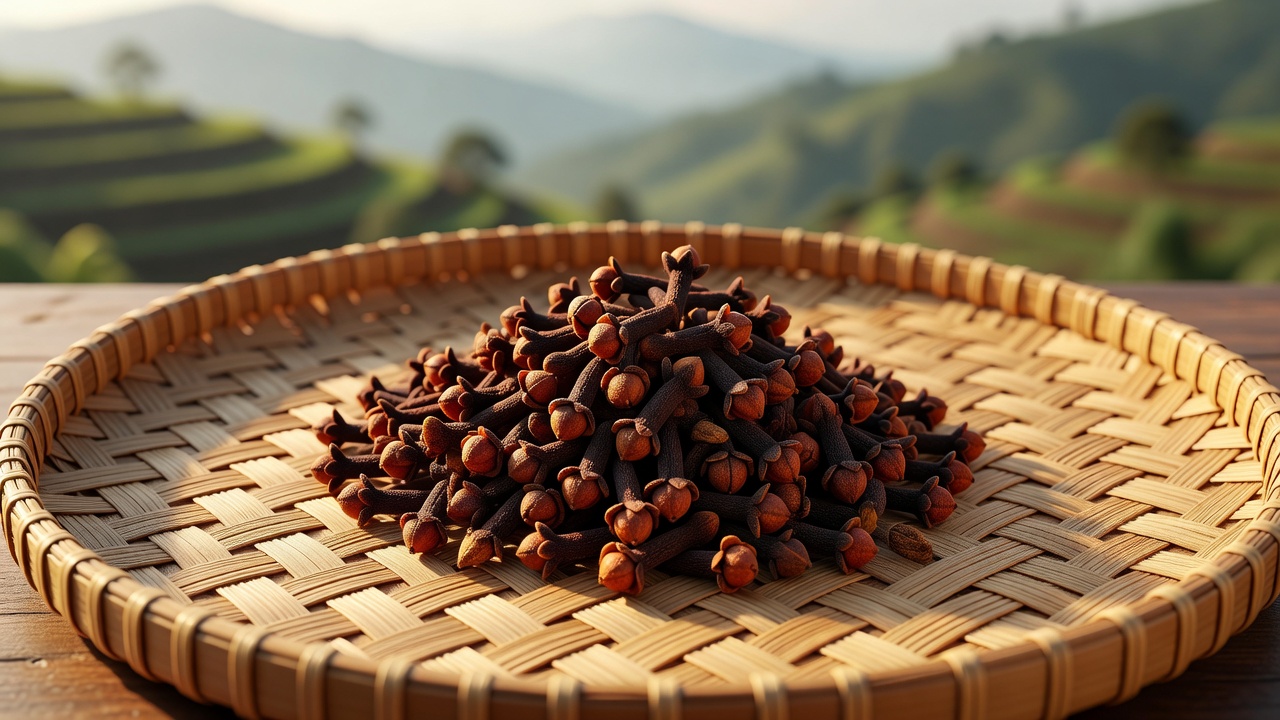
Clove is the dried flower bud of Syzygium aromaticum. TasikSpice, an Indonesian spice exporter based in the Tasikmalaya highlands of West Java, offers clove originating from Tasikmalaya and Central Java. For first-time buyers, successful sourcing means connecting origin and product quality with a workable contract, destination requirements, and a realistic logistics plan.
Step 1–3: Choose Your Whole Clove Specification
Step 1: Send an inquiry that describes your actual use. Tell your clove spice supplier whether the shipment is intended for retail packing, grinding, food manufacturing, or extraction. Include your destination country and port, expected quantity, preferred packaging, delivery window, and required certifications. Request an estimated loading quantity for your chosen container size; do not assume that every container holds the same net weight.
Whole clove buyers typically care about intact buds, consistent appearance, characteristic aroma, and cleanliness. Extraction buyers may place greater emphasis on volatile oil yield and composition. These priorities affect suitable lots, testing requirements, and price, so establish them before comparing quotations.
Step 2: Translate quality expectations into measurable terms. Specify moisture, foreign matter, stems, headless or broken buds, and any required microbiological or chemical limits. Agree on test methods and acceptance limits in writing. Commercial grade names can differ between suppliers; a grade label alone is not a complete purchase specification.
- Appearance: Describe the desired color, bud integrity, and permitted defects.
- Moisture: Set an agreed maximum and identify the measurement method.
- Cleanliness: Define limits for stems, extraneous material, and infestation.
- Safety: Identify destination-specific pesticide, contaminant, and microbiological requirements.
- Oil characteristics: Request suitable analysis when oil content or composition determines value.
Eugenol is a major constituent of clove essential oil and contributes to its characteristic aroma. However, the phrase eugenol-rich clove does not establish a guaranteed percentage. If that characteristic matters to your application, request batch-specific analytical evidence and clarify whether results describe total oil content or eugenol within the extracted oil.
Step 3: Approve a representative sample. Evaluate aroma, appearance, and suitability for your process, then arrange laboratory testing where needed. Ask how the sample relates to the eventual shipment. Retain a sealed reference sample and agree on pre-shipment sampling procedures. Sample approval should support, rather than replace, a written specification and shipment-level checks.
Step 4–6: Confirm FOB Pricing and Clove Buds Export Terms
Step 4: Understand what shapes the quotation. Clove buds are generally harvested before the flowers open, then dried and cleaned. Harvest timing, drying conditions, sorting intensity, and storage influence the finished lot. Ask about harvest period and handling for the 2026 season, and distinguish current-harvest material from previously stored stock. Availability and quality must be confirmed for the offered lot.
TasikSpice pricing is contact us, FOB Tanjung Priok, Jakarta. Request a dated quotation stating currency, net weight, packaging, specification, validity, shipment window, and the applicable Incoterms edition. Avoid comparing offers solely by price per kilogram when cleaning standards, testing, or packaging differ.
Under FOB Incoterms 2020, the seller delivers the goods on board the buyer-nominated vessel at the named shipment port and completes export clearance. Risk transfers when the goods are on board. The buyer generally arranges main carriage, insurance if desired, and import clearance. For containerized cargo handed to a terminal before loading, discuss whether FCA would better match the actual handover arrangement.
Step 5: Calculate your landed cost. Add ocean freight, insurance, destination terminal charges, customs brokerage, duties, applicable taxes, inspections, and inland transport to the purchase cost. Ask your forwarder about free time and potential demurrage or detention. Obtain destination-specific tariff classification advice from your broker; whole and ground cloves can have different classifications.
Step 6: Put the agreement in writing. Record quantity tolerances, packaging, payment terms, inspection rights, required documents, shipment deadlines, and procedures for quality claims. Choose payment arrangements appropriate to the commercial relationship and verify beneficiary details independently before transferring funds. Contact TasikSpice on WhatsApp with your destination and specification to request a quotation and discuss sampling.
Step 7–9: Prepare Documents, Ship, and Receive Your Clove
Step 7: Confirm import requirements before loading. Ask your customs broker or competent authority which permits, registrations, certificates, and food-safety evidence apply. Common shipment documents include a commercial invoice, packing list, and bill of lading. A certificate of origin, phytosanitary certificate, or treatment documentation may also be required, depending on the destination and transaction. No single document checklist fits every market.
Check draft documents against the contract and booking. Product descriptions, consignee details, package counts, weights, and shipping marks should agree. Confirm whether original documents or an electronic release arrangement will be used, and ensure payment and document-release timing support timely clearance.
Step 8: Protect the cargo during transit. Agree on clean, food-contact-suitable packaging with an appropriate moisture barrier. Use a dry, odor-free container in sound condition and inspect it before stuffing. Plan loading to prevent package damage and manage condensation risk. Desiccants, when appropriate, supplement proper drying and packaging; they cannot correct wet cargo. Request loading photographs, recorded package counts, and the container seal number.
Step 9: Inspect promptly at delivery. Arrange customs clearance and transport before arrival. At receipt, check the seal, packaging condition, weights, and any signs of moisture or infestation. Document discrepancies immediately and follow the contract’s sampling and claims procedure. Store accepted clove in a cool, dry, clean area away from strong odors, with lot identification preserved for traceability.
A first shipment becomes easier to repeat when specifications, documents, and responsibilities are clear. For your 2026 sourcing plan, message TasikSpice on WhatsApp with your target volume, destination port, and intended use to begin a practical discussion about Indonesian clove.
Interested in sourcing premium Indonesian spices?
Contact TasikSpice on WhatsApp for FOB pricing, samples, and MOQ details.