Green Coffee Beans: HACCP for Safe Tropical Sun Drying
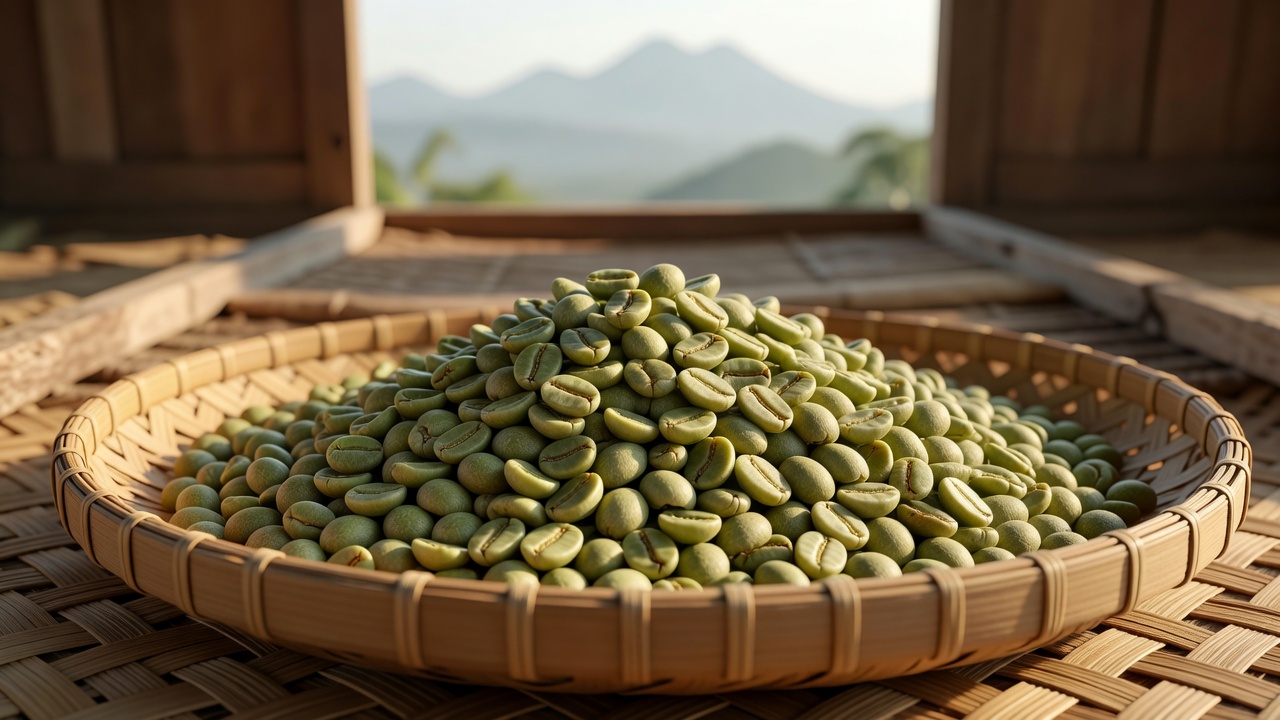
A clean-looking coffee lot can still carry the consequences of a wet harvest: mold damage, hidden contamination, or moisture that becomes a problem inside a shipping container. For buyers sourcing Indonesian green coffee beans in the 2026 season, safety starts well before the export warehouse. Green Coffee Beans (Kopi Biji Hijau) from Java and Sumatra need disciplined post-harvest handling that accounts for tropical rain, humid nights, and uneven drying.
Indonesia’s experience with sun-dried spices offers useful lessons for coffee: keep produce off contaminated ground, protect it from rewetting, and document conditions throughout processing. Coffee is a different commodity, however, so a spice drying plan cannot simply be copied. For TasikSpice’s international buyers, the practical question is how HACCP principles translate into verifiable controls for unroasted coffee.
HACCP Principles for Green Coffee Beans
Hazard Analysis and Critical Control Point, or HACCP, is a preventive food safety framework. The Codex Alimentarius General Principles of Food Hygiene provides its foundation, while Codex guidance on preventing ochratoxin A contamination in coffee addresses a particularly relevant hazard. These references support risk-based process design; they do not establish that an individual supplier or shipment is certified or compliant.
Before applying HACCP, processors need effective prerequisite programs: sanitation, pest management, suitable water where used, worker hygiene, equipment maintenance, and traceability. A drying yard exposed to livestock or a warehouse with roof leaks cannot be made reliable through paperwork alone. The seven HACCP principles then provide a structured approach:
- Analyze hazards: Evaluate biological, chemical, and physical hazards at each step, including mold-associated ochratoxin A, pesticide residues, stones, and contamination from animals or dirty equipment.
- Determine critical control points: Assess where control is essential for food safety. Drying may qualify, but that decision requires a process-specific hazard analysis rather than an automatic designation.
- Establish validated critical limits: Where a critical control point exists, define measurable limits supported by evidence for that coffee and process. Commercial specifications alone are not necessarily validated safety limits.
- Establish monitoring: Assign responsibility, instruments, sampling locations, and measurement frequency so deviations are detected promptly.
- Define corrective actions: Identify affected lots, restore process control, investigate the cause, and assess product safety before release.
- Verify effectiveness: Review records, calibrate instruments, inspect operations, and use appropriate testing to confirm that controls work.
- Maintain records: Connect harvest, processing, drying, storage, testing, and shipment information through a consistent lot code.
This structure applies to both Arabica coffee, Coffea arabica, and Robusta coffee, generally classified as Coffea canephora. Their processing routes and commercial profiles differ, but neither is exempt from moisture-related hazards. Roasting later in the supply chain should not be assumed to reliably eliminate pre-existing mycotoxins.
Safe Sun Drying in Indonesia’s Tropical Climate
Control begins with harvesting ripe cherries and separating damaged, moldy, or heavily contaminated material. Move harvested coffee into the intended processing route promptly. Whole-cherry natural processing, washed parchment drying, and wet-hulled processing create different moisture profiles and exposure periods. Each route needs its own handling instructions, monitoring points, and acceptance criteria.
As with sun-dried pepper or other tropical spices, drying surfaces should be clean, well maintained, and protected from soil, animals, runoff, and traffic dust. Raised beds or suitable food-contact drying surfaces can help, provided operators manage airflow and loading. Spread coffee evenly, turn it according to a defined procedure, and prevent wetter material from being mixed into nearly finished batches.
Rain protection must be ready before weather changes. Covered structures and ventilated shelters help limit rewetting, while tightly covering warm, damp coffee can trap condensation. Nighttime handling should account for local humidity and dew. Drying schedules must respond to measured product conditions, not simply a fixed number of sunny days.
For finished green coffee, approximately 10–12% moisture is a common commercial target range, although contracts and processing methods vary. It is not a universal HACCP critical limit or proof of safety. Water activity provides complementary information about moisture available for microbial growth. A site should validate its limits, measurement methods, and sampling plan rather than treating one moisture reading as representative of an entire lot.
Use moisture meters suitable for the coffee’s processing stage, with calibration or checks against an appropriate reference method. Sample multiple locations because edges, shaded areas, and deeper layers can dry differently. Record rainfall interruptions, drying duration, measurements, and corrective actions. These records help buyers distinguish controlled production from batches accepted solely on appearance.
If coffee becomes wet again or shows mold, isolate the affected material and investigate. Further drying may stop additional deterioration, but it does not reliably remove toxins already formed. Release, rejection, or another disposition should follow the hazard assessment and applicable requirements. Testing must use representative sampling because contamination can be unevenly distributed.
Export Verification for Robusta and Arabica Coffee
Food safety acceptance and quality grading should be documented separately. Buyers may specify moisture, screen size, defect counts, foreign matter limits, odor, and cup characteristics. An attractive screen grade or strong cupping result does not replace chemical safety checks. Likewise, a specialty coffee Indonesia purchasing brief should define its quality expectations without implying that the word ‘specialty’ guarantees HACCP compliance.
For Arabica coffee export and Robusta shipments, request traceable lot records and risk-based laboratory evidence where appropriate. Confirm current destination rules for pesticide residues, contaminants, and import documentation. Ochratoxin A requirements can differ by market and product category; do not automatically apply a roasted-coffee limit to green coffee. Agree on sampling, analytical methods, and acceptance criteria before shipment.
After drying and conditioning, store coffee in clean, dry, odor-free packaging and keep bags on pallets away from walls. Appropriate liners can reduce moisture exchange, but they cannot make damp coffee safe. Check containers for leaks, residual odors, cleanliness, and moisture risks before loading. Shared facilities handling spices should also prevent aroma transfer and cross-contamination through segregation and cleaning.
For the 2026 season, TasikSpice’s listed origin is Java / Sumatra, Indonesia, with pricing available on request on an FOB Tanjung Priok, Jakarta basis. Request confirmation of the available lot’s region, species, processing method, grade, quantity, packaging, and loading schedule. Specify the Incoterms version and clarify freight and insurance responsibilities; for containerized shipments, discuss whether FCA better matches the actual handover arrangement.
Commercial invoices, packing lists, transport documents, and origin or phytosanitary documentation should match the shipment and destination requirements. To discuss specifications, available safety records, and an FOB quotation, contact TasikSpice on WhatsApp. A purchasing agreement built around measurable controls helps Indonesian producers and international buyers protect both coffee quality and shipment reliability.
Interested in sourcing premium Indonesian spices?
Contact TasikSpice on WhatsApp for FOB pricing, samples, and MOQ details.