Green Coffee Beans: Women Leading West Java's Highlands
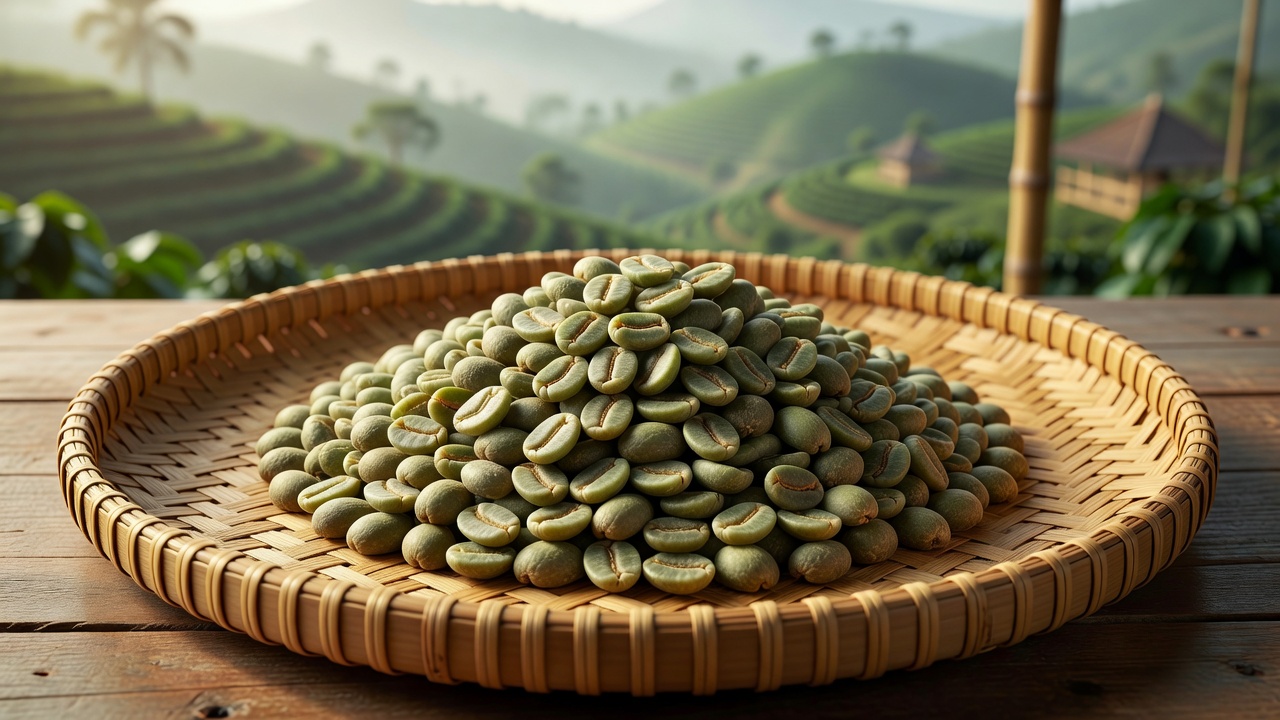
A shipment of green coffee beans carries more than an origin label. It carries decisions about which cherries to pick, how carefully to dry them, and who receives the value created along the way. In West Java’s highlands, sourcing from women-led farming cooperatives offers international buyers an opportunity to connect those decisions with accountable local leadership. For buyers exploring Green Coffee Beans, known in Indonesia as Kopi Biji Hijau, the strongest starting point is simple: examine both the coffee and the evidence behind its sourcing story.
Written for September 23, 2026, this guide considers the 2026 season through women’s leadership in the agricultural trading networks that connect coffee with Indonesia’s wider spice trade. It outlines practical purchasing questions rather than presenting an audited profile of a particular cooperative. Any claim about a named producer group, certification, or available shipment should be supported by current documentation.
Women-Led Cooperatives and Indonesian Green Coffee
Women’s work can extend across cherry harvesting, sorting, drying, bookkeeping, and sales. However, participation alone does not establish leadership. A credible women-led cooperative should be able to explain who holds elected positions, who approves contracts, and how members influence payment and investment decisions. For buyers, these details help distinguish a meaningful sourcing relationship from a label used mainly for promotion.
Cooperative structures can help smallholders consolidate volumes, share processing facilities, and negotiate collectively. Where women have decision-making authority, buyers should ask how that authority translates into everyday operations: setting cherry acceptance criteria, scheduling drying space, recording deliveries, and distributing payments. These practices can support traceability and consistency, although neither leadership structure nor geographic origin guarantees cup quality.
West Java’s highland identity is especially relevant to Arabica coffee, while Robusta coffee is generally associated with warmer growing conditions. Arabica is Coffea arabica; Robusta belongs to Coffea canephora, often called Coffea robusta in trade descriptions. Species, elevation, variety, and processing method should be verified for each lot. A regional narrative cannot replace those basic purchasing facts.
TasikSpice’s stated sourcing origins include Java and Sumatra, Indonesia. Buyers seeking a specifically women-led West Java lot should request confirmation of producer identity, location, available volume, and the exporter’s relationship with the group. Coffee offered under a broader Indonesian origin description should not automatically be described as cooperative-grown or women-led.
Useful evidence includes a cooperative registration record, a current leadership roster, lot-linked delivery records, and a clear account of member payments. Review sensitive records with appropriate consent. If a supplier claims that a premium benefits women farmers, ask how the premium is calculated, who receives it, and how distribution is documented.
Green Coffee Beans: Harvesting and Quality Checks
Women-led sourcing becomes commercially durable when it delivers coffee that meets the buyer’s specification. Selective harvesting of ripe cherries, prompt handling, clean processing equipment, and controlled drying all influence the quality of unroasted coffee. Buyers should ask who oversees these steps and whether individual member deliveries remain identifiable before cooperative lots are assembled.
Processing methods require different controls. Washed coffee needs attention to fermentation and washing; natural coffee requires careful management of whole-cherry drying. Wet-hulled coffee needs its own agreed handling and evaluation criteria. Each method can produce a different sensory result, so processing should appear explicitly in the offer and contract.
For the 2026 season, request the actual harvest period and processing dates rather than relying only on a crop-year label. Timing varies with location and weather. Drying capacity and protected storage deserve particular attention during wet conditions, because excessive moisture and rewetting can increase deterioration risks.
- Identity: Confirm species, origin, harvest period, processing method, lot code, and available quantity.
- Physical quality: Agree on screen distribution, defect limits, foreign matter limits, and the grading method used.
- Moisture: Many buyers target approximately 10–12% moisture, but the contract should define its own acceptable range and measurement method.
- Sensory quality: Evaluate a representative sample for cleanliness, consistency, and suitability for the intended roast or blend.
- Traceability: Link sample identification, inspection results, bags, and shipping documents to the same lot.
A grade name alone is insufficient because grading systems differ. Similarly, a specialty claim should identify the cupping protocol and assessment details. Robusta coffee intended for soluble production or blending may need different sensory and physical specifications from an Arabica coffee export intended for specialty roasting.
Buyers can strengthen cooperative relationships by sharing sample feedback and acceptance criteria early. Clear specifications help producer groups understand which activities create measurable value. If premiums reward selective picking or improved drying, the purchase agreement should explain those premiums alongside the base price.
Buying Women-Led Coffee: FOB Pricing and Logistics
TasikSpice lists green coffee pricing as contact us, FOB Tanjung Priok, Jakarta. An actionable quotation should specify origin, species, grade, processing, quantity, packaging, shipment window, payment terms, and validity period. A women-led sourcing premium, where applicable, should be explained separately enough for buyers to understand its purpose and verification.
Under FOB Incoterms 2020, the seller delivers the goods on board the buyer-nominated vessel at the named shipment port, where risk transfers to the buyer. The buyer generally arranges main carriage and insurance. For containerized coffee delivered to a terminal before loading, discuss whether FCA better matches the actual handover arrangements.
Packaging and transit planning should protect the quality established at origin. Agree on bag material, net weight, liner requirements, and bag markings. Coffee should be stored away from moisture, pests, and strong odors. This is particularly relevant in spice trading: coffee can absorb odors, so warehouse separation and container cleanliness matter.
Typical shipment paperwork includes a commercial invoice, packing list, transport document, and applicable origin and phytosanitary documentation. Requirements depend on the destination and transaction. Buyers should confirm current import rules, traceability obligations, and any certification requirements before contracting; cooperative status does not establish organic certification.
To discuss 2026 availability, samples, producer verification, and an export quotation, contact TasikSpice on WhatsApp at +62 812-9869-9940. Specify whether you require verified women-led West Java sourcing, together with your quality targets and destination port. A precise inquiry gives both exporter and cooperative a clearer basis for a lasting commercial relationship.
Interested in sourcing premium Indonesian spices?
Contact TasikSpice on WhatsApp for FOB pricing, samples, and MOQ details.