HACCP for Sun-Dried Clove: Safe Spice Exports from Indonesia
In an era where a single food safety lapse can shutter supply chains, international spice buyers increasingly scrutinize not just flavor and aroma, but the entire production hygiene behind every shipment. For sun-dried spices like whole clove (Syzygium aromaticum), Indonesia’s tropical climate offers ideal growing conditions—yet those same high humidity levels can turn post-harvest processing into a microbiological minefield. At TasikSpice, we’ve turned this challenge into a competitive advantage by embedding HACCP principles into every stage of our sun-dried clove production. From our highland facilities in Tasikmalaya, West Java, we deliver clove buds export that meet the strictest international food safety standards, batch after batch.
Locally revered as cengkeh, Indonesian clove has been a cornerstone of global trade for centuries. Today, as a leading clove spice supplier, TasikSpice combines that heritage with rigorous science. This article walks you through how we apply HACCP (Hazard Analysis and Critical Control Points) to sun-dried clove—showing exactly what keeps our whole clove clean, potent, and ready for your processing line.
Why HACCP Matters for Sun-Dried Spices
Sun-drying is an ancient, energy-efficient method that preserves clove’s essential oils. But in Indonesia’s equatorial humidity, drying takes place under a constant threat of mold growth, insect infestation, and foreign matter contamination. HACCP shifts the focus from end-product testing to preventive control—exactly what sun-dried spices need. For whole clove, the primary hazards are biological (Aspergillus molds producing aflatoxins, Salmonella from handling), physical (stones, twigs, dust), and chemical (pesticide residues from unregistered farm inputs). Without systematic controls, a single rain shower on drying buds can spike moisture above safe thresholds, ruining an entire lot for export.
TasikSpice’s HACCP plan, developed with Indonesian food safety authorities and aligned with Codex Alimentarius, addresses these risks head-on. We don’t just test the final product; we manage every critical point from harvest to container loading.
Inside TasikSpice’s HACCP-Based Clove Processing
Hazard Analysis and Critical Control Points (CCPs)
Our hazard analysis for Syzygium aromaticum identified two major CCPs: the sun-drying phase and the mechanical sorting/grading phase. During drying, clove buds are spread on food-grade, raised bamboo mats under transparent covers that shield against rain and bird droppings while allowing UV exposure. We continuously monitor moisture content—targeting 12% maximum—using calibrated meters. If afternoon clouds threaten, buds are quickly covered or moved to ventilated drying houses. This CCP alone prevents the mold issues that plague many tropical spice producers.
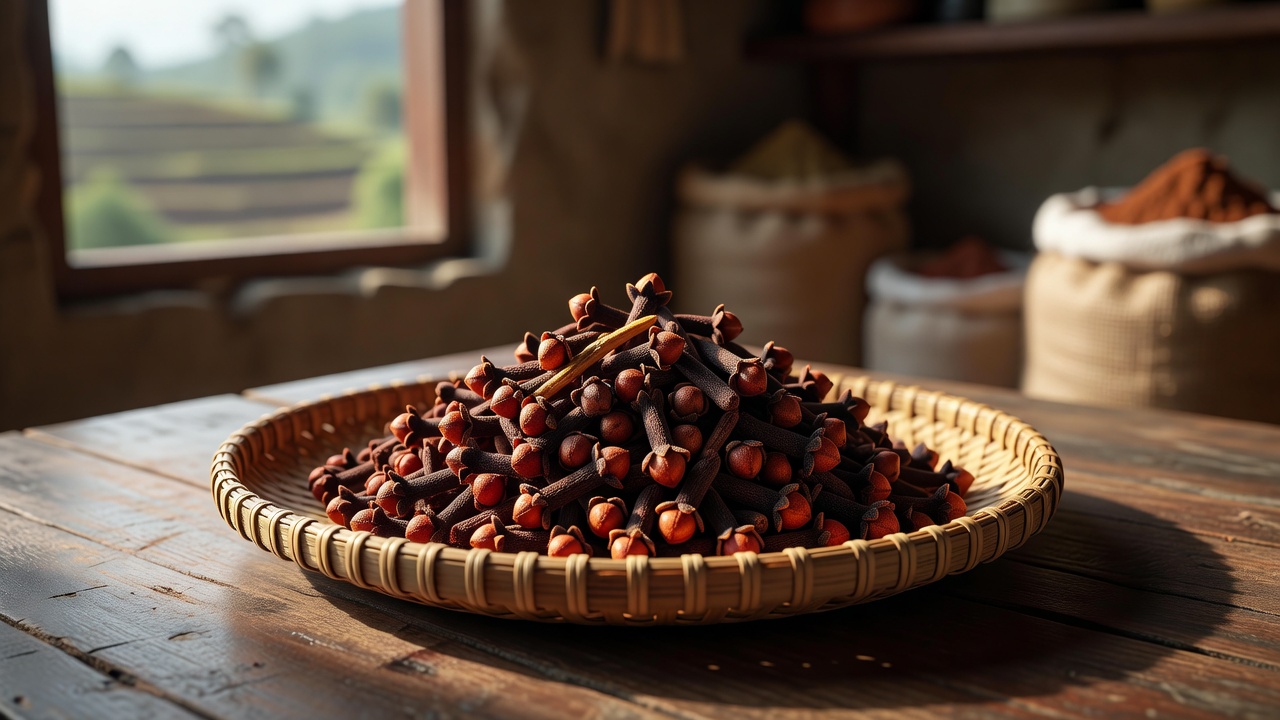
Sorting is the second CCP. After drying, whole clove buds pass through sieves and optical sorters that remove stems, rejects, and any physical contaminants. Workers wear gloves and hairnets; metal detectors scan for the unusual. Every 30 minutes, a quality control sample is pulled for visual inspection against our export-grade specs: bold, brown buds with intact heads, free of whitish mold or excessive dust.
Monitoring, Corrective Actions, and Verification
Monitoring isn’t just a checklist—it’s real-time intervention. Our drying yard supervisors log weather conditions, turning frequency, and moisture readings hourly. If a section tests at 13% moisture, it gets redirected to auxiliary solar dryers until compliance is achieved. Any lot showing signs of pest presence is immediately quarantined and assessed for fumigation or rejection.
Verification involves third-party lab testing for aflatoxins, microbial counts, and pesticide residues, with full traceability back to the farmer group and harvest week. For the 2026 season, we’ve added digital batch records that importers can access via QR code—so you know the HACCP journey of your bulk clove Indonesia order before it leaves Tanjung Priok port.
Overcoming Tropical Climate Challenges with Smart Compliance
Indonesia’s high rainfall and temperature swings mean HACCP compliance isn’t a one-time effort—it’s a daily discipline. TasikSpice trains every farmer partner and drying yard worker on basic food safety: handwashing stations, clean harvesting containers, and immediate exclusion of clove buds that fall to the soil. Our Tasikmalaya highland location helps, as slightly cooler nights reduce condensation risks, but we never rely on geography alone. Storage warehouses are temperature- and humidity-controlled, with stainless steel silos that prevent cross-contamination.
This rigor translates directly into clove buds export quality: high essential oil content (typically 17–20%), low ash, and microbial counts well below EU and FDA limits. For food manufacturers and spice blenders, that means safe, aromatic whole clove that performs consistently in your recipes—whether it’s for kretek, mulled wine, or curry powders.
As the 2026 harvest progresses, our HACCP system is in full swing, ensuring every kilogram of TasikSpice clove meets the same high bar. If you’re sourcing whole clove for international markets, we invite you to experience the difference that proactive food safety makes. Contact TasikSpice on WhatsApp to request a sample, discuss your specifications, or get an FOB price quote. Our team is ready to answer your food safety questions and arrange a transparent, traceable shipment of premium bulk clove Indonesia. Let’s build a safer spice supply chain together.
Interested in sourcing premium Indonesian spices?
Contact TasikSpice on WhatsApp for FOB pricing, samples, and MOQ details.