Indonesian Clove Imports: Markets, Quality and Demand
A country importing expensive cloves is not necessarily buying better cloves—and a country shipping large volumes may be redistributing another origin’s harvest. For international buyers, those distinctions matter more than a headline ranking. Indonesian clove, known locally as cengkeh, sits within a market shaped by food manufacturing, spice trading, aromatic extraction, and Indonesia’s substantial domestic demand. As buyers review the 2026 season, understanding what trade figures actually measure can turn a market report into a more useful purchasing decision.
This guide examines the buying patterns that matter for whole clove procurement and explains where Indonesia’s strengths fit. It also addresses a misleading comparison: claims that Indonesia dominates candlenut trade cannot be established using clove statistics. These are separate products with different supply chains and customs classification challenges.
Clove Import Data: Which Countries Buy What?
Start with the product definition. Under the international six-digit Harmonized System, HS 090710 covers cloves, including whole fruit, cloves, and stems, neither crushed nor ground. HS 090720 covers crushed or ground cloves. Consequently, a shipment recorded under the first code is not automatically a consignment of premium intact flower buds. Clove essential oil falls outside these two categories and requires a separate classification check.
For a defensible market comparison, extract import value, net weight, partner country, and reporting period from sources such as UN Comtrade or the relevant national customs database. Compare like-for-like periods and distinguish country of origin from country of dispatch where the dataset permits. This article does not present a verified live dataset or a numerical country ranking; the following markets are procurement profiles to investigate, rather than a claimed 2026 league table.
- India: Examine demand from spice traders, masala producers, food processors, and regional distributors. Whole buds can serve retail and blending channels, while industrial customers may emphasize grinding performance or volatile-oil characteristics. Indonesia’s share should be checked against other supplying origins rather than assumed.
- United Arab Emirates: Separate domestic consumption from onward distribution. Dubai’s trading role means imports can support buyers elsewhere in the Gulf and beyond. Import totals alone therefore overstate the information available about local consumption.
- Saudi Arabia: Investigate whole-spice demand associated with foodservice, retail, and culinary blends. Bud appearance, aroma, pack format, and importer requirements may matter alongside price, especially when cloves reach consumers without grinding.
- Germany and the Netherlands: Examine direct processing alongside European distribution. Buyers may serve seasoning, bakery, and packaged-food customers across borders. Traceability, residue compliance, microbiological specifications, and treatment history can be decisive purchasing considerations.
- United States: Review retail spice, food manufacturing, and ingredient distribution channels separately. A shipment destined for a consumer spice jar can have different appearance and processing specifications from material purchased for industrial milling.
These profiles explain possible demand drivers, but customs records do not reveal a shipment’s final recipe or processing application. Confirm the interpretation through importer discussions, product descriptions, and repeat purchasing patterns. Also review multiple years: a short import surge can reflect inventory rebuilding, shipment timing, or changes in domestic availability.
Why Indonesian Clove Strength Is Not Candlenut Dominance
Indonesia’s clove position rests on its established cultivation base, trading networks, and deep domestic familiarity with the crop, Syzygium aromaticum. However, production scale does not automatically translate into the largest export share every year. Domestic demand, particularly from the kretek industry, competes for supply and can affect availability and export offers. Buyers should compare Indonesia with alternative origins, including Madagascar, Tanzania, and Sri Lanka, using the same product codes and reporting periods.
Candlenut is a different commodity, produced by Aleurites moluccanus. It should never be included in a clove import calculation. Depending on the reporting jurisdiction and product form, candlenut may appear within broader customs categories rather than a clean, globally comparable product-specific series. Any assertion that Indonesia dominates candlenut exports requires a separate classification review and supporting figures. Indonesia’s established association with candlenut cultivation and cuisine is useful context, but it is not proof of a measured global market share.
For the 2026 season, avoid treating incomplete annual records as a final result. As of October 2, 2026, the calendar year is still underway, and reporting delays can differ between countries. Compare the latest common period available across the markets being assessed. Label provisional observations clearly and use completed years to understand the wider trend.
Import unit values need similar care. Dividing customs value by net weight produces an average declared value, not a supplier’s executable price. Product mix, stems, grade, treatment, packaging, and valuation basis all influence the result. Many import statistics use a CIF-type basis, whereas an FOB quotation excludes main ocean freight and insurance; verify the reporting convention before making comparisons.
Whole Clove Quality, FOB Pricing and Export Logistics
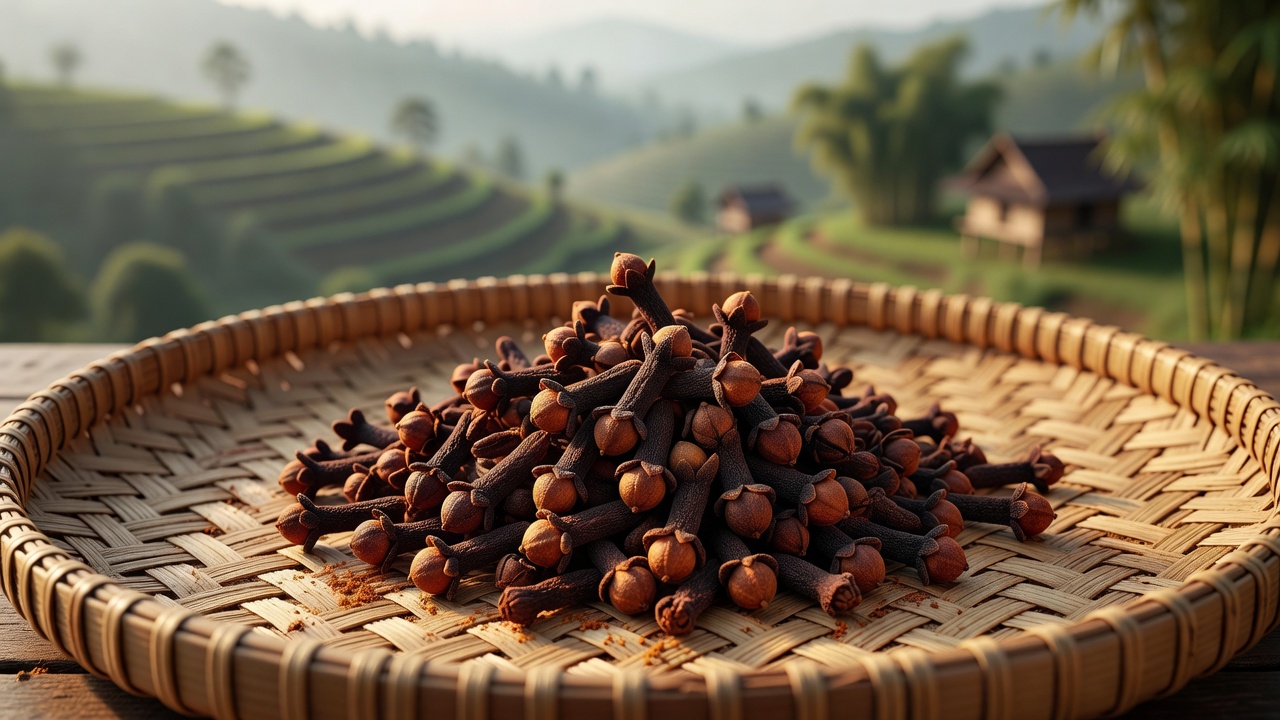
Translate market findings into a written purchase specification. Cloves are harvested as unopened flower buds, generally as they develop a pinkish hue before flowering, then dried carefully. Handling and drying affect color, aroma, cleanliness, and the proportion of intact buds. Uneven drying or subsequent moisture exposure can undermine an otherwise attractive lot.
A clove buds export enquiry should define acceptable moisture, foreign matter, stems, broken buds, and infestation status, together with packaging and destination requirements. Specify the sampling and test methods as well as the limits. When sourcing eugenol-rich clove, distinguish total volatile-oil content from the eugenol percentage within that oil. Request representative laboratory results instead of treating origin or a strong aroma as analytical proof.
TasikSpice offers cloves of Tasikmalaya and Central Java origin, Indonesia, with pricing available on request, FOB Tanjung Priok, Jakarta. A useful quotation request states quantity, shipment window, grade, testing needs, packaging, and destination. Ask the offer to identify its validity, payment terms, agreed Incoterms edition, and loading basis. Containerized shipments may warrant discussing FCA terms with the forwarder to align delivery responsibilities with actual terminal handling.
Use clean, dry, food-grade packaging with an appropriate moisture barrier, and inspect containers for water ingress, odors, and contamination. Agree lot identification and retain representative samples. Typical commercial documentation includes the invoice, packing list, and bill of lading; certificates of origin, phytosanitary documents, and testing or treatment records depend on the destination and contract. Confirm requirements before dispatch.
Planning your next purchase? Contact TasikSpice on WhatsApp with your destination, volume, and quality specifications to discuss available Indonesian clove lots and request a current FOB Tanjung Priok quotation.
Interested in sourcing premium Indonesian spices?
Contact TasikSpice on WhatsApp for FOB pricing, samples, and MOQ details.