Indonesian Clove: Building Buyer Trust Before Bulk Orders
A fragrant clove sample can start a conversation, but it cannot establish the quality of an entire shipment. International buyers need a clear connection between the sample they evaluate, the documents they review, and the goods they eventually receive. For Indonesian clove, known locally as cengkeh, that connection is the foundation of buyer trust. At TasikSpice, discussions about supply from Tasikmalaya, West Java, and Central Java should begin with verifiable product information and practical opportunities for inspection.
Clove comes from the dried flower buds of Syzygium aromaticum. Its distinctive aroma makes it valuable to spice traders, food manufacturers, and ingredient processors, but purchasing requirements differ considerably between applications. As buyers assess the 2026 season on September 27, 2026, sample kits, certificates of analysis, and farm visit invitations should answer three questions: What exactly am I buying? How was it evaluated? Can the supplier substantiate its origin and handling?
Bulk Clove Indonesia: Make Sample Kits Representative
For procurement teams searching for bulk clove Indonesia suppliers, a useful sample kit is a small, traceable representation of a proposed purchase. An attractive packet of hand-selected buds creates little confidence if the commercial shipment contains a different proportion of stems, broken pieces, or foreign matter. Establish whether each sample represents an identified available lot, a proposed grade, or a general product reference before sending it.
Label every sample with a unique identifier, stated origin, sampling date, and lot reference where available. Distinguish Tasikmalaya material from Central Java material, and disclose blends rather than presenting mixed sourcing as a single farm origin. Include the net sample weight and clarify whether stock is reserved, available subject to prior sale, or still being assembled. This prevents a promising evaluation from becoming an avoidable misunderstanding.
A concise information card should make comparison straightforward:
- Physical profile: Describe whole buds, broken material, stems, visible foreign matter, and the grading basis.
- Handling history: State known harvest timing, drying approach, sorting steps, and storage conditions.
- Proposed specification: List agreed limits separately from measured results and identify any untested parameters.
- Commercial context: Explain intended packaging, indicative shipment quantity, and the validity of the offer.
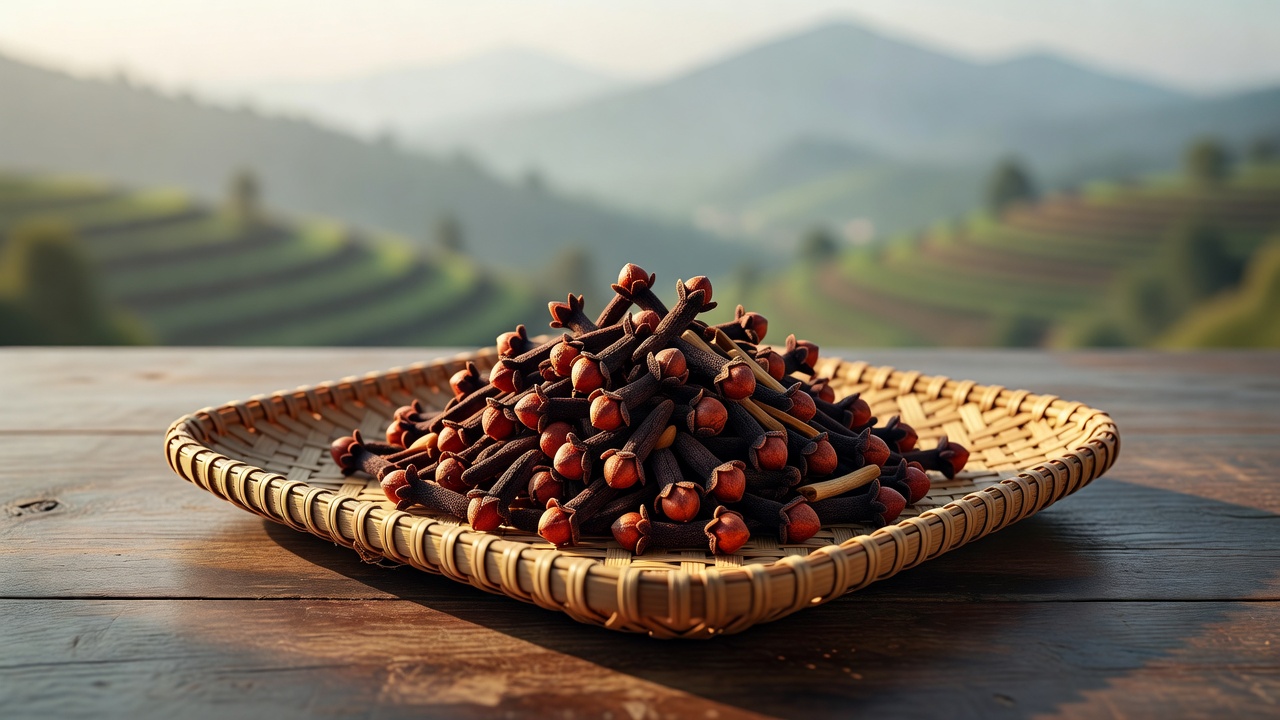
Clove buds are generally harvested before flowers open, then dried and sorted. Harvest maturity and post-harvest handling influence appearance, aroma, and consistency. Buyers should inspect bud condition and odor, but visual appeal alone cannot establish moisture content, microbiological quality, or freedom from chemical residues. Send enough material for the buyer's intended laboratory work and production trial, with the quantity agreed beforehand.
Use clean, sealed packaging that protects the sample from moisture and external odors. Check courier and destination requirements before dispatch, since agricultural samples may still require declarations or supporting documents. Retain a matching reference sample under suitable conditions. If the shipment lot later changes, supply a replacement sample or obtain explicit agreement on the revised basis of supply.
Indonesian Clove COA Documents: Show What Was Tested
A certificate of analysis, or COA, is most useful when a buyer can connect its results to the offered goods. Present a readable document showing the sample or lot identifier, laboratory identity, report date, test methods, units, and reported results. Explain who collected the sample and how it reached the laboratory. A report for an earlier shipment can illustrate past performance, but it should never be presented as evidence for a different current lot.
Start with the buyer's application and destination requirements when selecting tests. Moisture, foreign matter, and volatile oil content may be relevant to commercial specifications. Food manufacturers may also request microbiological testing, pesticide residue screening, or heavy metal analysis based on their risk assessment and applicable rules. There is no single test package that automatically satisfies every importer or market.
Claims about eugenol-rich clove deserve particular care. Eugenol is a major constituent of clove essential oil, but a reported eugenol percentage in extracted oil is not interchangeable with the volatile oil content of whole dried buds. State the analytical method and reporting basis whenever presenting either figure. Avoid translating a strong aroma into an unsupported chemical specification or promising extraction yields without appropriate evidence.
For laboratory credibility, buyers can check whether relevant methods fall within an ISO/IEC 17025-accredited laboratory's scope. Accreditation supports confidence in specified testing activities; it does not certify every aspect of a shipment. Likewise, a COA does not replace phytosanitary documentation, origin documentation, or other import requirements. Confirm those separately with the importer and relevant service providers.
Present the COA alongside a specification sheet that distinguishes contractual limits from actual test results. If testing is pending, say so and establish when results will be available. Buyers can contact TasikSpice on WhatsApp to discuss sample requirements and the testing information needed for their intended market before requesting an FOB quotation.
Clove Farm Visits: Connect Origin to Export Readiness
A farm visit invitation should offer a defined verification opportunity. Identify the proposed location, the supplier's relationship with the growers, and which activities the visitor can realistically observe. Depending on timing and local conditions, these might include bud harvesting, drying, sorting, or storage. Confirm arrangements before travel, and avoid suggesting that every process will be visible during a single visit in the 2026 season.
Invite prospects to follow the product beyond the farm. A drying area, collection point, or warehouse may reveal more about shipment consistency than a plantation walk alone. Buyers should be able to discuss lot identification, moisture protection, pest management, cleaning, and the separation of accepted and rejected material. Where growers permit photography or record review, agree on the scope in advance. A live video walkthrough can support initial discussions when travel is impractical.
Carry those observations into the purchase terms. Quotes should identify origin, grade, quantity, packaging, inspection arrangements, payment terms, and shipment window. TasikSpice pricing is available on request, with the stated basis FOB Tanjung Priok, Jakarta. Specify Incoterms 2020 and confirm responsibilities: under FOB, delivery and risk transfer occur when goods are on board the nominated vessel. For containerized movements, discuss whether FCA better reflects the actual handover arrangement.
Confidence grows when the approved sample, applicable COA, agreed specification, and shipment records tell the same story. To begin evaluating Indonesian clove, message TasikSpice with your destination, intended use, and purchase volume. Those details provide a practical starting point for discussing samples, documentation, current availability, and possible visit arrangements.
Interested in sourcing premium Indonesian spices?
Contact TasikSpice on WhatsApp for FOB pricing, samples, and MOQ details.