Mastering Indonesian Cocoa Bean Fermentation & Curing
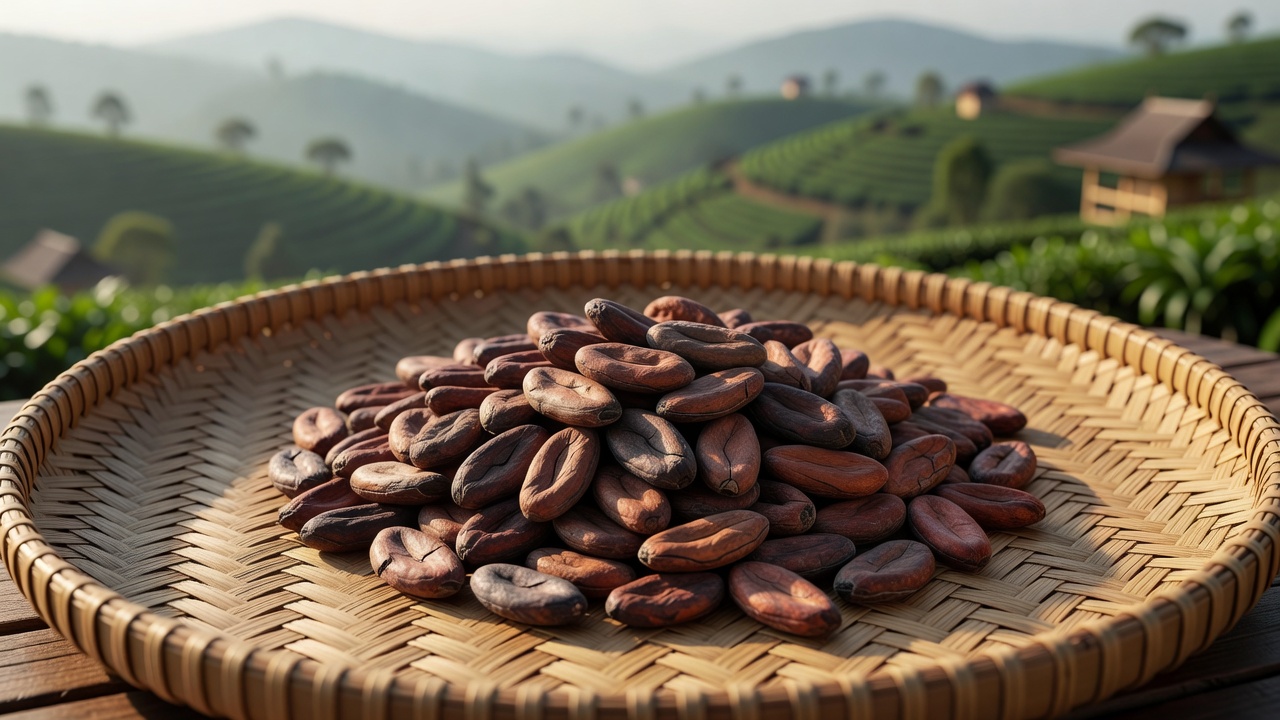
The quality of a cocoa bean isn’t just born in the tree—it’s forged in the hours and days after harvest. For international buyers sourcing from Indonesia, understanding the intricate post-harvest journey that transforms freshly harvested Theobroma cacao pods (known locally as biji kakao) into world-class export goods is essential. At TasikSpice, we believe that fermentation and curing are where flavour, aroma, and value truly take shape—and we’re inviting you to taste the difference that meticulous processing makes for the 2026 season.
Why Fermentation Defines Cocoa Bean Quality
Fermentation is the cornerstone of all great cocoa. Without it, even the finest pods from Sulawesi or Sumatra will yield bitter, astringent beans with none of the chocolatey notes that manufacturers crave. During this biochemical phase, naturally occurring yeasts and bacteria break down the sugary pulp surrounding the beans, generating heat and organic acids that penetrate the seed coat. This triggers internal reactions that destroy the embryo, reduce bitterness, and develop the precursor compounds for chocolate flavour.
In Indonesia, traditional fermentation methods vary by region, but the goal is universal: a consistent, well-oxygenated process lasting five to seven days. Smallholder farmers typically use wooden boxes or banana-leaf-lined baskets, turning the mass every 24–48 hours to ensure even temperature distribution. Industrial exporters like TasikSpice monitor critical parameters—temperature (45–50°C is optimal), pH, and pulp drainage—to guarantee that every batch meets the stringent standards of our international cocoa beans supplier network. Properly fermented beans show a deep brown hue when cut, with a fully formed internal crack and an aromatic, slightly vinegary scent that signals success. Buyers who prioritise fermented cocoa in their sourcing decisions consistently report higher customer satisfaction and fewer rejections at port.
From Sun to Silo: The Curing and Drying Process
Once fermentation is complete, the beans must be dried rapidly yet gently to lock in their new flavour profile and reduce moisture to a safe 6–7%—the threshold for stable storage and long ocean voyages. In Indonesia’s equatorial climate, sun-drying on raised bamboo mats or concrete patios remains the predominant method, providing a slow, natural dehydration that preserves the delicate aroma notes developed during fermentation. However, unpredictable weather can threaten quality, leading to mould or over-drying.
That’s why TasikSpice has invested in hybrid drying systems that combine solar exposure with low-temperature mechanical dryers. This allows us to maintain consistent batch sizes even during the rainy season, a critical advantage for clients planning their Indonesian cocoa export shipments. Curing—the final stabilisation phase—occurs as beans cool and rest in ventilated warehouses for two to three weeks. During this time, residual acetic acid evaporates, and the beans achieve a uniform moisture equilibrium. Our quality control team then grades the beans by bean count (the internationally recognised number of beans per 100g), cut test results, and sensory evaluation. Only beans that pass our rigorous Grade A fermented criteria are packed for FOB Tanjung Priok, Jakarta.
Value-Add Processing: Crafting a Superior Cocoa Package
Beyond the essential steps of fermentation and drying, forward-thinking buyers are increasingly seeking value-added processing that reduces their own manufacturing burden. TasikSpice offers several such techniques for our fermented cocoa line, elevating raw beans into semi-processed ingredients ready for your chocolate factory or processing plant.
One popular option is bean roasting and winnowing: we carefully roast small batches to a customer-specified profile, then crack and separate the nibs from the husks. The resulting cocoa nibs can be shipped in vacuum-sealed, foil-lined bags, preserving freshness and eliminating the need for on-site roasting equipment. Another is liquor grinding, where nibs are stone-ground into a smooth paste and solidified into blocks—perfect for artisan chocolatiers who want a direct-from-origin product with fully traceable flavour. For buyers interested in organic certification, we also provide fully documented, EU and USDA NOP certified lots from dedicated smallholder clusters in Central Sulawesi.
Each value-add step is accompanied by full transparency: from the GPS coordinates of the collection center to the fermentation log and drying curve, we equip you with the data needed to meet your own quality assurance and labelling requirements. And because we’re handling the bulk processing at origin, you’ll often find that landed costs are surprisingly competitive—even before factoring in the savings on labour, energy, and waste at your end.
As you evaluate suppliers for the 2026 harvest, we invite you to request a sample of our current-season fermented beans. Discover how the right post-harvest handling transforms a humble pod into one of the world’s most sought-after ingredients. Contact TasikSpice via WhatsApp at +62 812-9869-9940 to discuss your volume, quality grade, and delivery timeline. Whether you need a container of standard fermented beans or a custom nibs specification, our team is ready to help you secure a competitive edge.
In an industry where margins trace back directly to raw material consistency, don’t let post-harvest guesswork chip away at your bottom line. Partner with a supplier who treats every bean as a premium ingredient in the making. TasikSpice: your direct link to Indonesia’s finest cocoa, from farm to world market.
Interested in sourcing premium Indonesian spices?
Contact TasikSpice on WhatsApp for FOB pricing, samples, and MOQ details.