Indonesian Vanilla Beans: Building Export Buyer Trust
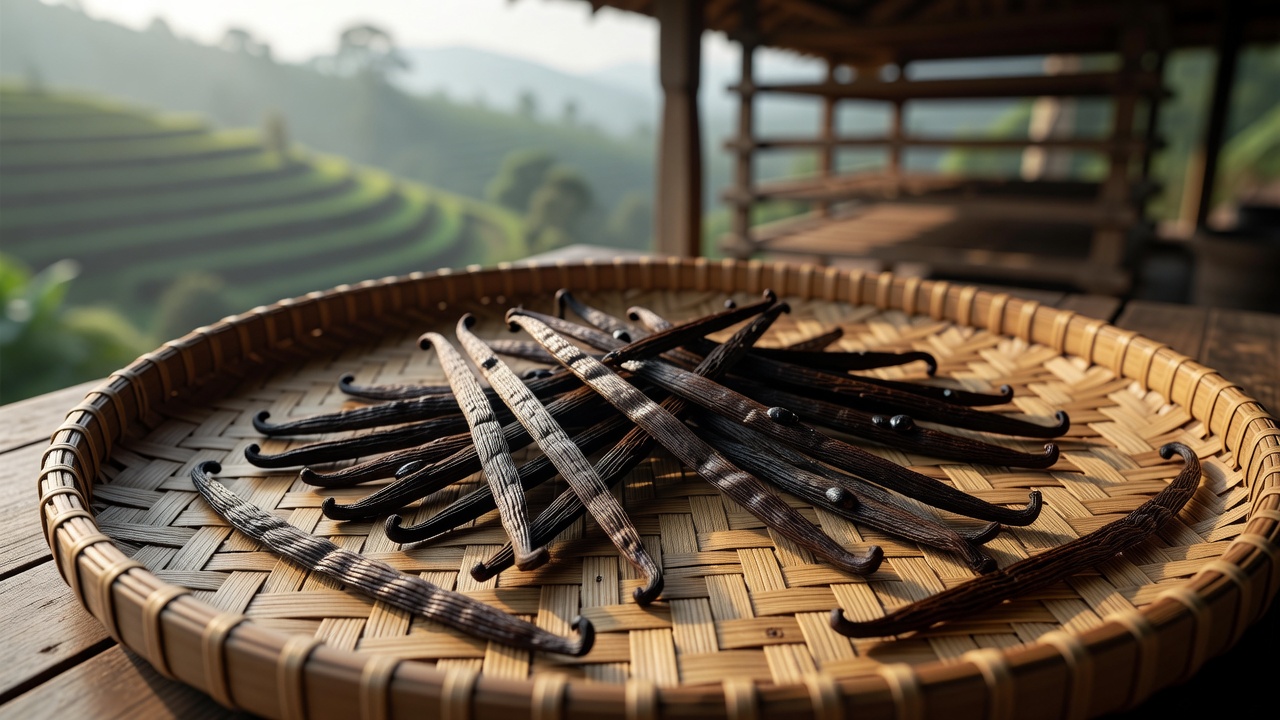
A beautiful vanilla sample can win attention, but it cannot prove that a commercial shipment will match. International buyers need evidence connecting the beans they evaluate to the lot they eventually receive. For Indonesian vanilla beans, known locally as vanili, that confidence starts with three practical tools: representative sample kits, clear certificates of analysis, and transparent farm visit invitations. Together, they help buyers assess quality, traceability, and supplier communication before committing to a larger order.
For the 2026 season, TasikSpice’s buyer conversations should put that evidence first. Based in the Tasikmalaya highlands of West Java, TasikSpice presents Indonesian origin with pride while helping prospects ask precise sourcing questions. For Vanilla planifolia offered from Java or Bali, the specific origin, available lot, processing history, and agreed specifications matter more than broad claims about premium quality.
Vanilla Beans Sample Kits That Support Real Decisions
A useful sample kit answers a commercial question: are these beans suitable for the buyer’s intended application? A bakery, extract manufacturer, and retail spice packer may need different characteristics. Before selecting samples, establish whether the prospect prioritizes appearance, flexibility, pod length, aroma, moisture, or extraction performance. This makes the evaluation relevant and avoids presenting one grade as universally superior.
Describe grades through measurable specifications rather than relying on labels alone. Terms such as Grade A, Grade B, gourmet, or extraction grade are not universally standardized. A sample description should state the length range, moisture specification and test method where available, split-pod allowance, appearance, and intended use. More pliable beans may suit visible culinary applications, while drier material may suit some extraction processes; the buyer’s process should determine acceptance.
- Identify every sample: Include a sample code, lot reference, dispatch date, net weight, and declared origin.
- Explain representativeness: State whether the sample comes from available commercial stock or illustrates a grade that will be sourced later.
- Provide a specification sheet: Record measurable characteristics and distinguish tested results from proposed contractual limits.
- Protect the evaluation: Use clean, food-contact-suitable, odor-resistant packaging and provide handling instructions.
For cured vanilla, the sample notes should explain the available harvesting and processing records. Harvest maturity and the stages of killing or blanching, sweating, drying, and conditioning influence the final product. Where records exist, share harvest and curing dates. Avoid implying that a September offer necessarily represents recently harvested beans: harvest schedules vary by location, and curing and conditioning take time.
Invite buyers to evaluate samples under consistent conditions and record their findings. Visual inspection can reveal splits, surface condition, and size variation; sensory evaluation can assess aroma and off-odors. Neither replaces laboratory testing. If commercial stock changes before ordering, offer a new representative sample or agree on a pre-shipment approval procedure. Retaining a sealed reference sample also gives both parties a useful comparison point if questions arise.
COA Documents for Indonesian Vanilla Export
A certificate of analysis, or COA, is most useful when its scope is clear. It reports results for the sample tested; it does not automatically prove the condition of every bean in a shipment. The document should identify the lot or sample, testing laboratory, report date, analytical methods, units, and results. Buyers should be able to connect those details with the sample kit and proposed commercial lot.
Choose the testing panel around the buyer’s application and destination requirements. Moisture and vanillin content may inform purchasing decisions, while microbiological criteria, pesticide residues, or contaminants may require attention according to the product, market, and customer specification. Do not present one fixed panel as sufficient for every Indonesian vanilla export shipment. Agree on the required analyses before commissioning tests or finalizing the contract.
Results also need context. A vanillin percentage should identify whether it is reported on an as-received or dry-matter basis; figures on different bases are not directly comparable. Moisture results should specify the method used. Vanillin content is one quality indicator, but it does not fully describe aroma complexity or suitability for a particular recipe. Where laboratory accreditation is relevant, buyers should check that the applicable method falls within the laboratory’s accredited scope.
Present the COA alongside a short document index. Keep laboratory reports distinct from origin declarations, traceability records, and any applicable phytosanitary or other regulatory documents. Organic certification, if requested, requires valid evidence covering the relevant operator and product; an ordinary COA does not establish organic status. A credible vanilla pod supplier should clearly mark unavailable, pending, or buyer-requested documents instead of filling gaps with general assurances.
Farm Visits and Clear Terms for Bulk Vanilla Indonesia
A farm visit invitation becomes credible when it describes what the buyer can actually inspect. Propose a realistic itinerary covering the relevant growing area, available curing operation, and storage or packing location. Explain which sites belong to partner growers or processors, who will host the visit, and whether the commercial lot can be inspected there. Java and Bali are distinct sourcing locations, so an invitation should identify the location relevant to the offer.
Seasonal transparency matters. A visit during the 2026 season may show growing vines without showing harvest or active curing. Confirm the likely activities before travel, obtain permission for photography, and agree on any sampling arrangements. Buyers can review lot identification, handling practices, storage conditions, and the connection between grower records and finished stock. A visit supports due diligence, but it does not replace representative sampling or agreed testing.
Turn those observations into clear purchasing terms. For prospects researching bulk vanilla Indonesia, quotations should specify origin, grade definition, quantity, packaging, testing scope, lead time, payment terms, and offer validity. TasikSpice’s price basis is contact us, FOB Tanjung Priok, Jakarta. Quotes should identify the applicable Incoterms version and clarify shipment arrangements. FOB applies to sea or inland waterway transport; courier samples and air shipments need an appropriate separate basis.
Before dispatch, confirm destination requirements, importer responsibilities, document needs, and the packing plan. Agree on packaging that limits moisture change and foreign-odor exposure during the anticipated journey. Contact TasikSpice on WhatsApp with your destination, application, target quantity, and required specifications to discuss sample availability, relevant COA documents, farm visit possibilities, and a current quotation. Trust grows when each promise can be connected to a sample, a record, or an agreed commercial term.
Interested in sourcing premium Indonesian spices?
Contact TasikSpice on WhatsApp for FOB pricing, samples, and MOQ details.