How Tasikmalaya’s Microclimate Creates Superior Indonesian Green Coffee Beans
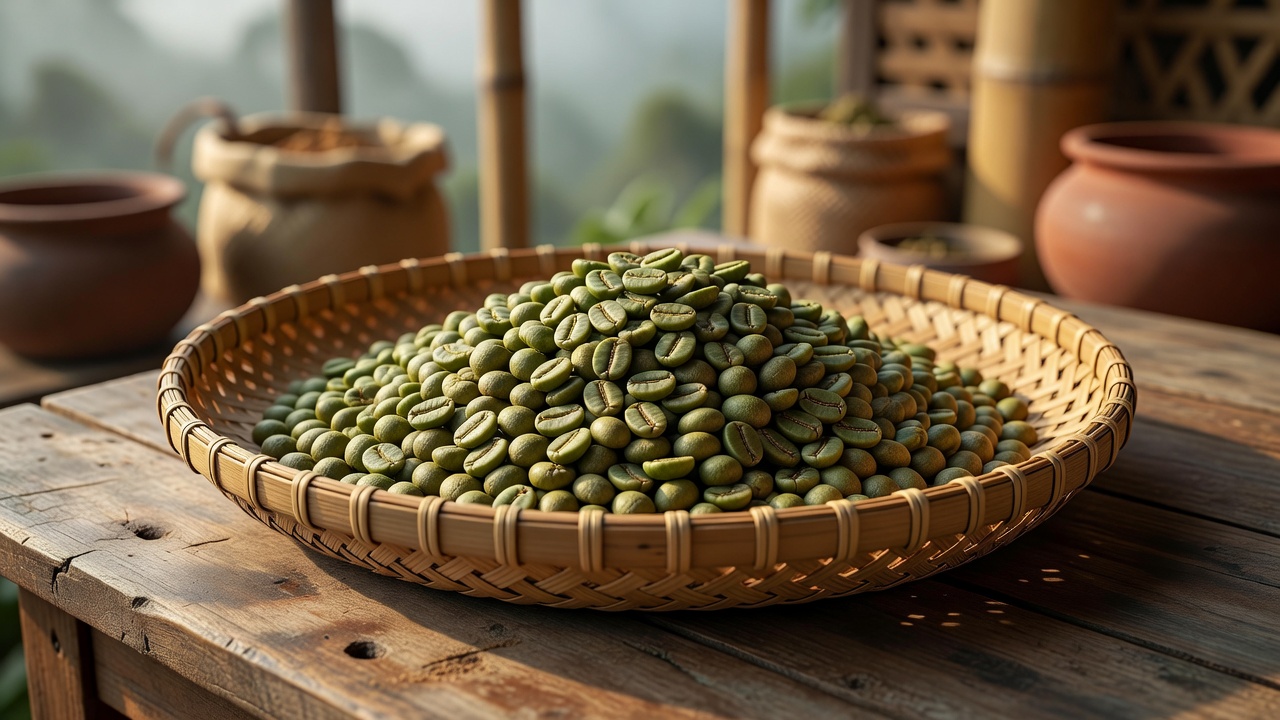
In the global specialty coffee market, origin is everything. Discerning buyers don’t just ask for green coffee beans—they ask for the precise microclimate, altitude, and soil that shape every bean’s flavor profile. At TasikSpice, we’re proud to offer Indonesian green coffee from the volcanic highlands of Tasikmalaya, West Java, where a rare combination of natural factors yields an Arabica bean that consistently commands attention from roasters across Europe, the Middle East, and beyond. Known locally as kopi biji hijau, this coffee isn’t just a commodity—it’s a testament to how a unique terroir can elevate a product from good to world-class.
Tasikmalaya’s Highland Microclimate: A Natural Advantage
Tasikmalaya sits at elevations between 900 and 1,400 meters above sea level, draped in volcanic soil from the surrounding mountains. But altitude alone doesn’t guarantee quality—it’s the interplay of temperature, rainfall, and humidity that creates an ideal nursery for high-grade Arabica coffee. Daytime temperatures here rarely exceed 26°C, while nights are consistently cool, often dipping below 15°C. This diurnal shift slows cherry maturation, allowing sugars to develop more fully and acidity to sharpen without tipping into harshness. The result is a bean with a clean, complex cup profile that buyers of specialty coffee Indonesia instantly recognize.
Rainfall is equally critical. Tasikmalaya receives between 2,000 and 3,000 mm of rain annually, concentrated in a predictable wet season that nourishes the coffee trees without drowning them. The region’s well-draining volcanic loam prevents waterlogging, while the dry season—blessed with bright sunlight but moderated by highland mists—triggers a uniform flowering and cherry set. This natural rhythm translates directly into harvest consistency, a key factor for exporters and importers who need to meet strict contract specifications year after year.
What truly sets this microclimate apart, however, is the presence of a thermal belt—a layer of warmer air that sits just above the coffee-growing zone, protecting the plants from extreme cold while maintaining the cool temperatures that Arabica coffee export markets demand. Tiny variations in slope orientation and shade from native trees create a mosaic of micro-environments across our sourcing area, giving us access to coffee lots with distinct floral, fruity, or chocolatey notes. This diversity means TasikSpice can supply single-origin micro-lots for high-end specialty roasters as well as larger, consistent blends for commercial buyers.
From Cherry to Green Bean: Meticulous Post-Harvest Handling
Climate sets the stage, but post-harvest handling determines whether that potential reaches the cup. At TasikSpice, we work directly with smallholder farmers who pick only fully ripe red cherries by hand—a practice made feasible by the staggered ripening that Tasikmalaya’s mild climate encourages. After harvest, cherries are processed within 8 hours to prevent fermentation defects. We employ both fully washed and natural processed methods, each bringing out different characteristics of the bean. Washed coffees from this region are prized for their bright acidity and clarity, while natural processed lots offer a heavier body and deep berry notes.
Drying is where many origins falter, but again, the Tasikmalaya microclimate gives us an edge. Our raised drying beds are positioned on breezy ridges where consistent airflow and moderate humidity (65–75%) allow the parchment coffee to dry slowly over 10–14 days. This gradual moisture reduction—down to 11–12%—prevents the uneven drying that can cause storage mold or flavor loss. Once dried, the beans are milled, carefully sorted by screen size and density, and then hand-sorted under UV light to remove any remaining defects. The final product: uniform green coffee beans with a moisture content stable enough for long ocean freight, yet vibrant enough to last on a roaster’s shelf for over 12 months when stored correctly.
Export-Ready Quality: Grades, Packaging, and Logistics
For international buyers, consistent quality and transparent logistics are non-negotiable. Our Indonesian green coffee is graded according to international standards—primarily specialty Grade 1 and Grade 2—based on screen size (16–19), defect count, and cup score. We also offer organic-certified lots from farms practicing traditional intercropping with shade trees, a system that preserves biodiversity and aligns with the growing demand for sustainable sourcing in Europe and North America.
Packaging is tailored to protect the beans’ innate qualities. We use GrainPro® bags inside jute sacks to create a hermetic barrier that locks in moisture and flavor, ensuring your consignment arrives as fresh as the day it left our mill. Shipments are consolidated at our warehouse in Tasikmalaya, transported to Tanjung Priok port in Jakarta, and loaded in 20- or 40-foot containers. Our standard FOB (Free On Board) point is Tanjung Priok, Jakarta, giving buyers clear cost control over freight and insurance. While we don’t publish flat rates—every harvest brings dynamic pricing—our direct sourcing from farmers and efficient post-harvest processes keep our offers competitive with other major Arabica origins during the 2026 season.
A crucial detail for buyers new to Indonesian coffee: the 2026 harvest promises to be exceptional. Favorable weather through flowering and fruit set has produced a bumper crop with high cup scores. Early samples show remarkable complexity—citrus acidity, caramel sweetness, and a lingering cocoa finish. For roasters seeking a distinctive component for their espresso blends or a single-origin microlot that tells a story, this could be the year to lock in a contract.
Why Partner with TasikSpice for Your Green Coffee Beans?
TasikSpice isn’t just a supplier; we’re a partner rooted in the same volcanic soil that nourishes our coffee. We understand that international trade demands not only quality but reliability, from accurate documentation to on-time shipments. Our team handles all export logistics, including phytosanitary certificates, certificates of origin, and any buyer-specific requirements. We’re a small enough operation to care deeply about each relationship, yet experienced enough to fulfill container-load orders without missing a beat.
Ready to taste the difference that Tasikmalaya’s microclimate makes? Contact our team on WhatsApp to request a sample or discuss pricing for the 2026 season. Whether you’re a roaster, an importer, or a food manufacturer, we’ll help you source the right green coffee beans to elevate your product line. Let’s build something delicious together.
All inquiries are handled via our official business line: +62 812-9869-9940. We respond in English and Bahasa Indonesia.
Interested in sourcing premium Indonesian spices?
Contact TasikSpice on WhatsApp for FOB pricing, samples, and MOQ details.