Vanilla Beans: HACCP Safety for Tropical Spice Drying
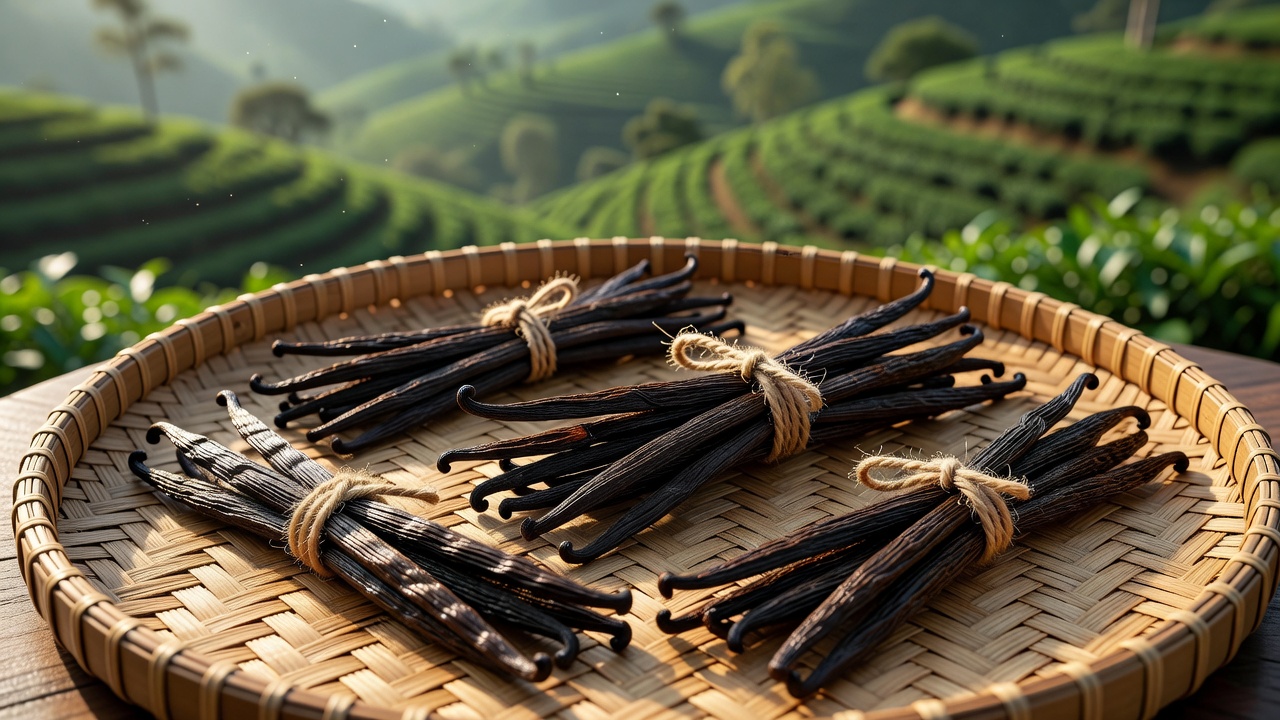
A vanilla bean can smell exceptional and still require careful food safety verification. In Indonesia’s tropical climate, sunshine supports traditional curing, while sudden rain, humid nights, and repeated handling can introduce hazards that aroma alone cannot reveal. For buyers sourcing vanilla beans, known locally as vanili, the key question is how each producer controls those risks and documents the results.
For the 2026 season, TasikSpice, an Indonesian spice exporter based in the Tasikmalaya highlands of West Java, presents a practical buyer’s guide to HACCP principles for Vanilla planifolia from Java and Bali. Published October 02, 2026, this guide explains what a credible control system should address; it does not claim that a particular lot or facility holds HACCP certification.
Vanilla Beans and HACCP: Identify the Real Hazards
HACCP stands for Hazard Analysis and Critical Control Point. The Codex Alimentarius General Principles of Food Hygiene provides its internationally recognized framework. Its seven principles cover hazard analysis, determination of critical control points, validated critical limits, monitoring, corrective actions, verification, and records. Effective application begins with good hygiene practices, trained staff, maintained equipment, safe water where used, pest control, and supplier approval.
Vanilla curing is more complex than leaving fresh pods in the sun. The process generally includes harvesting mature pods, a treatment to stop vegetative development, sweating, intermittent drying, and conditioning. Methods vary between producers. A HACCP team should map the actual operation and confirm the flow on site, including transport, overnight holding, sorting, and packing.
The hazard analysis must distinguish biological, chemical, and physical risks. Biological concerns include contamination from soil, animals, unsafe water, workers, and dirty drying surfaces. Pathogens such as Salmonella can survive in low-moisture foods even when conditions prevent their growth. Mold may develop when beans remain damp or reabsorb moisture; any assessment of mycotoxins should reflect the commodity, supplier history, and applicable requirements rather than assumptions.
Chemical hazards can include pesticide residues, cleaning chemicals, and contamination from unsuitable packaging or drying surfaces. Physical hazards include stones, splinters, glass, and metal fragments. Each requires a proportionate control. A batch’s attractive appearance or strong fragrance cannot substitute for this assessment.
Not every drying or inspection step is automatically a critical control point. The HACCP team determines which controls are essential for significant hazards and whether measurable critical limits can be established. Routine hygiene controls may remain prerequisite programs. Sun-drying should never be described as a validated pathogen-killing treatment without scientific evidence for the actual process and product.
Controlling Tropical Drying for Cured Vanilla
Control starts at harvest. Suppliers should define maturity criteria appropriate to their growing conditions and separate damaged, diseased, or visibly moldy pods. Harvest containers should be clean and suitable for food contact. Lot identification should connect incoming pods with their source, harvest period, processing dates, and finished batches. These records help an exporter investigate a problem without unnecessarily affecting unrelated stock.
During curing, producers should establish operating instructions for loading, turning, handling, and protection from weather. Raised, cleanable racks or suitable food-contact drying surfaces reduce contact with soil and standing water. Animals, pests, dust, and vehicle traffic should be excluded from the drying area. Covers and sheltered space must be ready before rainfall, while handling practices should prevent contamination when beans move indoors.
Humidity creates a particular challenge overnight. Warm beans enclosed too early can create conditions for condensation, while exposed beans may absorb moisture from the air. Producers should control resting conditions, ventilation, and loading density according to their validated process. Extended wet weather calls for an established contingency, such as controlled drying equipment, rather than simply adding unrecorded days outdoors.
Moisture content and water activity measure different properties. Moisture describes how much water a bean contains; water activity indicates how available that water is for microbial growth. Flexible, premium-looking cured vanilla may have a different moisture specification from beans intended for extraction. Neither a grade name nor a single generic moisture percentage establishes safety for every product.
Limits should therefore reflect the intended use, packaging, storage conditions, and scientific validation. Sampling must account for uneven drying across racks and within batches. Instruments require calibration or accuracy checks, and measurements need defined methods and conditions. A low water activity reading does not prove that existing pathogens have been eliminated.
A useful monitoring record identifies the batch, measurement, time, operator, applicable limit, and action taken. If a safety limit is exceeded, the affected lot should be held and assessed. Further drying may address excess moisture when justified, but it does not automatically make contaminated or mold-damaged beans safe. Corrective action must also identify the cause and prevent recurrence.
Indonesian Vanilla Export: Evidence Buyers Should Request
For Indonesian vanilla export, buyers should translate these controls into clear purchasing specifications. Ask for the product identity, Java or Bali origin, lot code, curing method, moisture specification, relevant water activity criteria, packaging format, storage instructions, and intended shelf life. Requests for Bali vanilla beans should include traceable origin evidence; a regional name alone establishes neither quality nor safety.
Commercial grading should remain distinct from food safety acceptance. Bean length, flexibility, color, splits, aroma, and measured vanillin content can influence suitability and price. Trade labels such as Grade A and Grade B are not universally standardized. Buyers comparing bulk vanilla Indonesia offers should agree on measurable attributes and testing methods instead of relying only on photographs or grade names.
Verification can include record review, internal audits, instrument checks, and risk-based laboratory testing. A certificate of analysis should identify the actual lot, methods, and results. Testing supports verification but cannot guarantee every bean is uncontaminated. Destination-specific pesticide limits, microbiological requirements, and any required treatment should be agreed before shipment with the importer and qualified technical advisers.
Packaging and logistics complete the control system. Food-contact-compliant barrier packaging should protect beans against moisture exchange and contamination. Vacuum packing alone is not a microbial kill step. Clean, dry shipping equipment, protection from odors, and management of temperature changes help reduce condensation risk. Export paperwork may include commercial and packing documents, origin evidence, and phytosanitary documentation where required by the destination.
TasikSpice’s price is available on request, FOB Tanjung Priok, Jakarta. Quotations should specify grade, quantity, packaging, testing scope, lead time, and the named shipment point. For the 2026 season, contact TasikSpice on WhatsApp to discuss Java or Bali sourcing and request the lot specifications, available compliance records, and export terms needed for your purchasing decision.
Interested in sourcing premium Indonesian spices?
Contact TasikSpice on WhatsApp for FOB pricing, samples, and MOQ details.