White Cardamom Processing: Curing for Export Value in 2026
A White Cardamom shipment earns its value long before it reaches the port. Between harvest and packing, moisture control, cleanliness, and gentle handling determine whether pods arrive aromatic and intact or become a costly quality claim. From the Tasikmalaya highland of West Java, Indonesian White Cardamom—locally called kapulaga putih or kapulaga jawa, and commonly traded under the botanical name Amomum compactum—offers a distinctive opportunity for buyers who understand processing. For the 2026 season, the strongest value-add strategy starts with preserving the spice’s natural character.
This guide, dated September 21, 2026, examines fermentation, curing, and practical processing improvements for international importers, food manufacturers, and Indonesian producers. One distinction matters immediately: fermentation is not an established requirement for producing sound dried White Cardamom. Controlled drying and careful conditioning generally provide a more dependable foundation for export quality.
White Cardamom Drying and Curing After Harvest
Good processing begins with mature, sound fruit. Harvest decisions should reflect local growing conditions and pod development rather than a fixed calendar alone. Immature pods can deliver poorly developed seeds, while damaged or deteriorating fruit increases sorting losses. Keep harvested pods off bare soil, use clean containers, and move them promptly to a shaded handling area. Leaving fresh material in deep, warm heaps encourages uneven heating and microbial growth.
Initial sorting removes leaves, stalk fragments, visibly moldy pods, and other foreign material. Where washing forms part of the process, use water suitable for food handling, maintain clean equipment, and drain the pods promptly. Washing creates an additional drying load; it should serve a defined cleaning purpose rather than become an automatic step without adequate facilities.
Drying reduces available moisture while seeking to preserve aroma and physical integrity. Raised racks or protected solar dryers can improve separation from soil and offer better protection from rain and animals. Mechanical drying provides greater control when weather is unreliable. In either system, consistent airflow, manageable layer thickness, and regular checks help reduce differences between the surface and interior of a batch.
There is no universal drying temperature or duration that guarantees quality across every dryer and harvest. Excessive heat can reduce volatile aroma and cause undesirable color changes, while slow drying under humid conditions increases spoilage risk. Producers should validate their operating settings against finished-product results, including moisture, water activity, aroma, and the proportion of split or damaged pods.
For dried White Cardamom, curing is best defined explicitly with the supplier. It may describe a controlled resting or conditioning stage after drying, allowing moisture to become more evenly distributed before final inspection. It should never mean sealing warm, damp pods in bags. Cool the product in a clean, dry environment, check representative samples, and re-dry uneven material when necessary. Agree on the moisture specification, test method, and acceptance limits before purchasing.
Fermentation and Value-Add Techniques for Whole Pod Cardamom
Fermentation can create desirable flavors in some agricultural products, but that does not establish a benefit for White Cardamom. Uncontrolled wet holding may instead introduce sour odors, discoloration, mold, or inconsistent sensory results. Buyers seeking the familiar aromatic profile of whole pod cardamom should ask suppliers whether any deliberate fermentation occurs and why it is part of the process.
A producer exploring a fermented specialty product should treat it as product development. That requires defined process conditions, appropriate microbial controls, sensory evaluation, shelf-life assessment, and food-safety validation. Such a product should have its own description and specification. Claims that fermentation automatically improves aroma, safety, or export value are not a sound basis for a commercial contract.
Several more direct processing improvements can add measurable value without changing the spice’s identity:
- Size grading: Separate pods into agreed size bands so buyers receive more consistent appearance and handling performance.
- Defect removal: Reduce broken, empty, insect-damaged, and visibly deteriorated pods through careful sorting.
- Foreign-material control: Use suitable screening and inspection equipment, with controls appropriate to the processing line.
- Validated microbial reduction: Where required, use a qualified treatment provider and assess the effect on aroma, moisture, and appearance.
- Lot traceability: Connect harvest intake, drying records, treatment history, test results, and packing details to an identifiable batch.
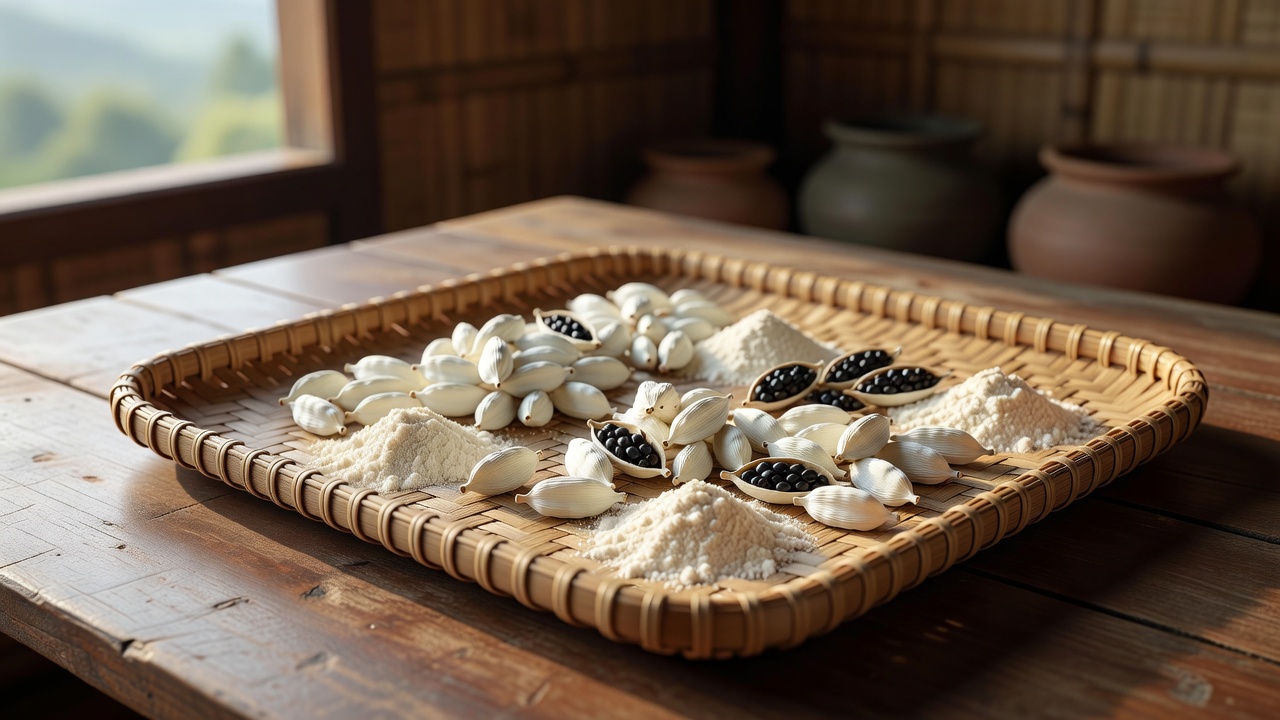
Natural color variation should be assessed alongside aroma and condition. A paler appearance alone does not establish superior quality. Buyers should request disclosure of bleaching, sulfur-based treatments, or other processing aids, and verify their acceptability in the destination market. Product photographs help with initial screening, but representative physical samples provide a better basis for evaluating processing quality.
White Cardamom Export Specifications, Packing, and FOB Value
For white cardamom export, value-add processing becomes commercially meaningful when it appears in a measurable specification. Buyers should define botanical identity, origin, pod-size distribution, permitted defects, foreign matter, moisture, and relevant microbiological requirements. Pesticide residues, contaminants, and treatment declarations should address destination-market rules and the intended use. A premium grade needs agreed criteria; an attractive grade name alone is insufficient.
Packaging should protect properly dried pods from moisture uptake, contamination, and physical damage. Agree on food-contact packaging materials, liner performance, net weight, and carton or sack strength. Pack only after cooling, store away from direct sunlight and strong odors, and inspect the shipping container for cleanliness, dryness, and leaks. Moisture-control measures during transport supplement sound drying; they cannot correct a damp consignment.
TasikSpice’s supplied reference price is US$10.30/kg FOB Tanjung Priok, Jakarta, for White Cardamom originating in the Tasikmalaya highland, West Java. Buyers should confirm availability, grade, packing, order volume, payment terms, and quotation validity for the 2026 season. Additional grading, testing, or treatment may affect the final quotation. Under FOB, the seller delivers the goods on board the nominated vessel at the named port; main ocean freight, insurance arrangements, and destination charges require separate budgeting.
Documentation should match the shipment and destination requirements. Typical commercial paperwork includes the invoice, packing list, and transport document, with certificates of origin, phytosanitary documentation, or laboratory reports supplied where applicable. Ensure that lot identifiers remain consistent across packaging and supporting records.
For a practical sourcing discussion, contact TasikSpice on WhatsApp with your destination, volume, and processing requirements. Request a representative sample, proposed specification, and current quotation so the value of drying, curing, and grading can be assessed before shipment.
Interested in sourcing premium Indonesian spices?
Contact TasikSpice on WhatsApp for FOB pricing, samples, and MOQ details.